
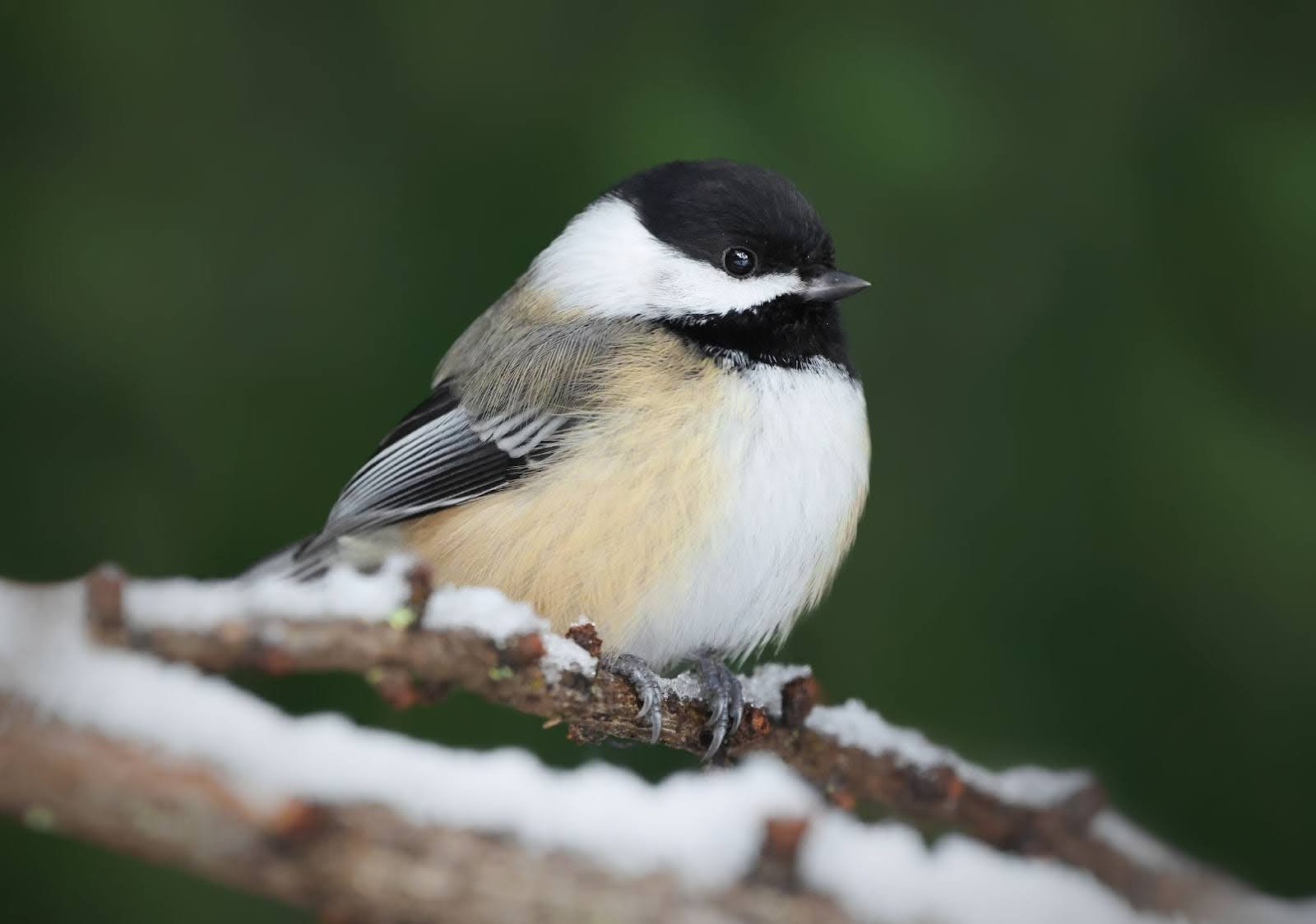
Winter can be the perfect time to acquire new hobbies and discover newfound passions. I feel like an activity that is often overlooked in today’s world is bird watching. Bird watching offers many benefits as it allows us to appreciate our surroundings and connect with nature. By doing so, we also begin to develop a stewardship over our natural surroundings that can continue to grow and last a lifetime. Today, we will be discussing the benefits of birdwatching, some optional helpful tools, and some additional information to help as you progress in your bird watching journey.
Benefits of Bird Watching
Bird watching has been shown to reduce stress and anxiety while improving overall mental health. According to a study published in Scientific Reports, there was a “beneficial impact of everyday experience of birds on mental wellbeing was evident in both people with depression and people without a mental health condition”(1). Likewise, a study done at NC State University noted that after students took a nature walk while bird watching, their psychological distress levels had significantly lowered (2).
Winter can often be a difficult time for many, as harsh conditions keep us trapped inside more and there is a lack of sunlight. These factors, combined with a decrease in exercise, can have a definite negative impact on mental health. Therefore, birding could definitely contribute to our mental well-being during these harsh months.
In addition to improved mental health, you can also gain community and friendships by connecting with other bird enthusiasts in your area. There are often bird watching groups on Facebook as well as in-person groups! To find in-person groups, start by searching for Audubon groups in your area. These are usually low-cost to join, and along with new friends, you often get to experience field trips, meetups, special events, and learn about conservation efforts in your area.
Optional Tools
The beautiful thing about bird watching is that it doesn’t require any tools to start! Simply going for a stroll around your neighborhood or into your backyard can often be enough. There are many helpful image search engines, like Google Image Search (although you should always cross-check for accuracy), that can help you identify what birds are in your surroundings. There are plenty of online resources, like Audubon’s Guide to North American birds (https://www.audubon.org/bird-guide), with beautiful real-life photos to help you identify a specific bird species. If you prefer a tangible resource, you can often find bird identification books like the one pictured at your local charity shop or your library.
Another helpful tool is a set of binoculars. These are particularly useful if you are bird watching from the comfort of your home, or if venturing to a nearby forested park where birds may be harder to see perched in brush or high trees. When you are just starting out, small pocket binoculars similar to the ones pictured can be the perfect starting point.
Additional Information
As you begin to embark on your birdwatching journey, you can begin to learn about where specific bird species reside, what different bird calls sound like, and even begin to decipher what the different calls of a specific species of bird mean (becoming the ultimate “bird whisperer”!) When I was beginning my bird watching journey, I would try to learn information on a different local bird species every week. For instance, the first bird I ever learned about was the Black-capped Chickadee. There are plenty of helpful YouTube videos from fellow bird enthusiasts online that can help you on your way.
Once you begin to recognize specific birds or you are looking to spy a particular bird species in your area, you can download the eBird app by Cornell Lab of Ornithology on your mobile device. This is a free app that allows you to explore where certain bird species have been spotted in your area by other users. Additionally, it allows you to submit and keep a journal of what birds you have encountered during your watching sessions. When you submit your findings to Cornell Labs, they use your information log to find and map priority conservation areas, observe population sizes, and manage habitats (3). Therefore, you can have a hand in protecting potentially at-risk and endangered species for generations to come. How exciting!
Conclusion
I hope that after this article, you are ready to pick up the wonderful hobby that is birdwatching. It is a pastime that has been done for generations before us and that we can continue to pass along to future generations, as it teaches such a deep appreciation for wildlife. If you have had any fun experiences bird watching or any questions concerning starting, I would love to hear from you in the comments below! Happy birding!
Sources:
- Hammoud, R., Tognin, S., Burgess, L., et al. (2022). Smartphone-based ecological momentary assessment reveals mental health benefits of birdlife. Scientific Reports, 12(1), 17589. https://doi.org/10.1038/s41598-022-20207-6
- Peterson, M. N., Larson, L. R., Hipp, A., et al. (2024). Birdwatching linked to increased psychological well-being on college campuses: A pilot-scale experimental study. Journal of Environmental Psychology, 96, 102306. https://doi.org/10.1016/j.jenvp.2024.102306
- Borgmann, K. (n.d.). eBird in action: Bird conservation groups use eBird data to fill critical information gaps. eBird. Retrieved January 20, 2026, from https://ebird.org/ebird/news/ebird-in-action-birdwatchers-fill-critical-information-gaps


