
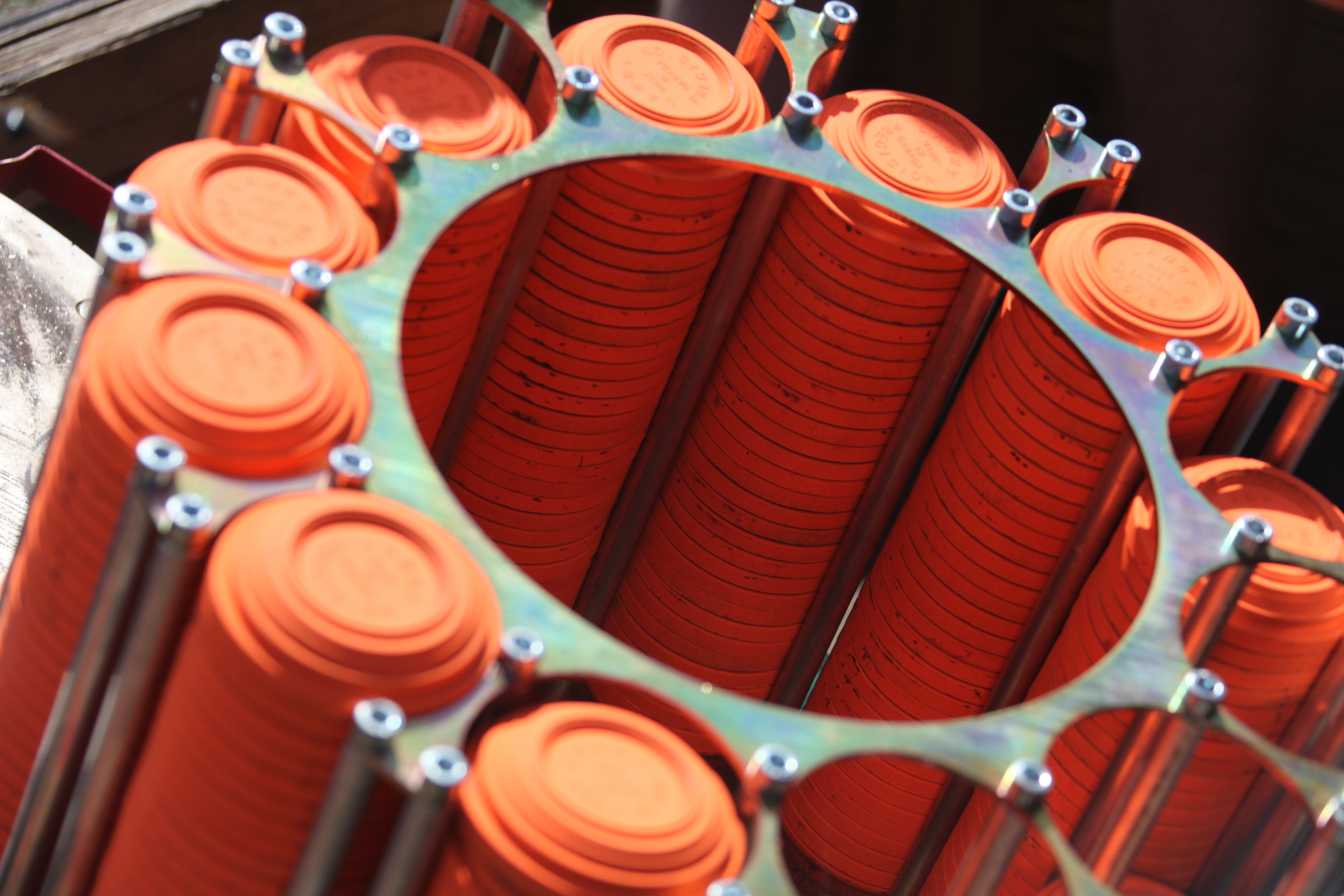
Photo by Lance Cpl. Cory D. Polom / Courtesy of the U.S. Marine Corps
Long before it became a weekend sport, clay shooting grew out of field tradition as a humane, simulated alternative to live pigeon shooting.
In the 1800s, hunters began practicing their shooting skills outside of active hunts and during the off-season. Glass balls filled with feathers were used first. Later, in 1880, George Ligowsky of Cincinnati, Ohio, developed early clay targets, creating a safer and more consistent way to refine accuracy. By the early 20th century, what began as preparation for the field had evolved into a formalized sport and was introduced at the Olympics in 1900.
Across the Great Lakes region, clay shooting remains woven into conservation culture. It lives at local sportsmen’s clubs, family-owned ranges, and quiet fields just beyond town limits. You’ll find fathers teaching daughters, friends competing lightly on a Saturday afternoon, and beginners stepping up to the line for the first time with a mix of nerves and curiosity.
If you are new to the sport, you are not behind. You are exactly where everyone begins.
The Great Lakes and the Evolution of Clay Shooting
Clay shooting as a broader concept traces back to the late 19th century, when live pigeon shooting was gradually replaced by glass balls and eventually clay targets. By 1900, organized trapshooting — one of the three primary disciplines within clay shooting — was formalized in the United States with the founding of the Amateur Trapshooting Association (ATA). Over time, the Great Lakes region became central to the sport’s development and remains home to its largest championship events today.
For much of the 20th century, Wisconsin’s Waukesha Gun Club hosted major tournaments that drew competitors from across the country. Later, the establishment of the World Shooting and Recreation Complex in southern Illinois solidified the region’s prominence. Today, it serves as the home of the ATA Grand American World Trapshooting Championships, one of the largest shooting events in the world.
While trapshooting’s organized growth ran strongly through the Great Lakes, the discipline formally titled “sporting clays” emerged later. In 1980, Remington and instructor Jack Brister collaborated to host what was called the First Annual Sporting Clays Shoot at the Remington Gun Club in Lordship, Connecticut. That event, attended by roughly ninety shooters, marked the beginning of sporting clays as a named, structured discipline in America.
Since then, sporting clays has flourished nationwide, and Great Lakes clubs have embraced it alongside trap and skeet. What began elsewhere found fertile ground here.
The result is a region that did not invent every discipline, but helped institutionalize and sustain the sport at a national scale.
What is Clay Shooting?
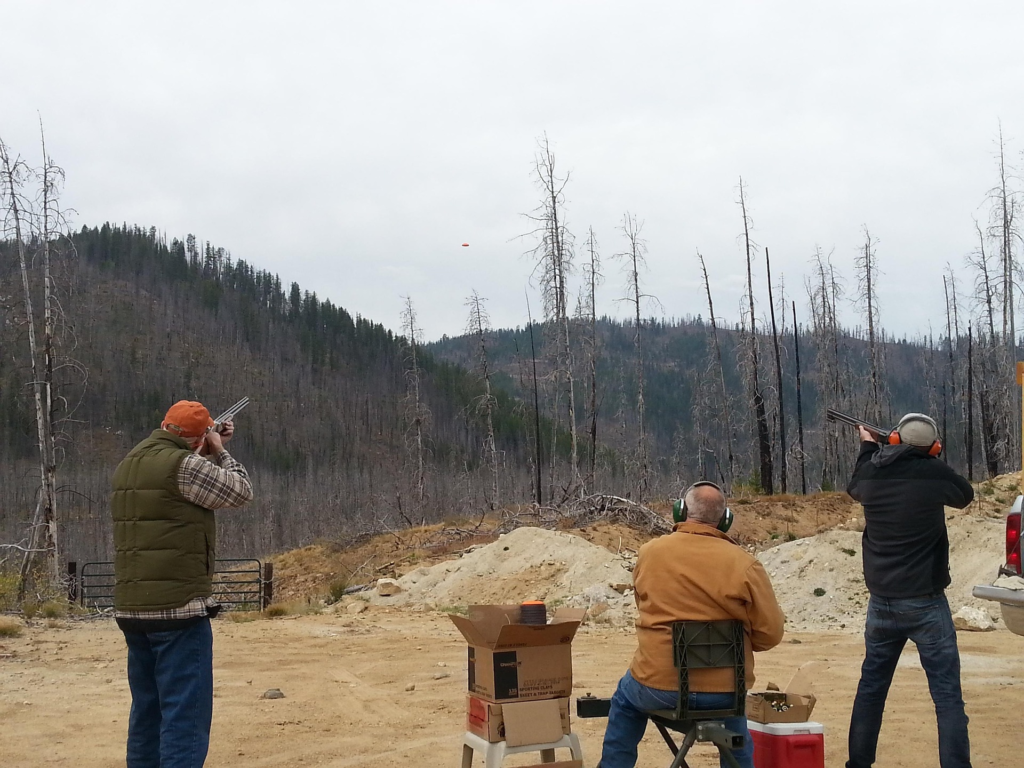
Clay shooting is the practice of shooting at moving clay targets launched into the air to simulate bird flight. There are three primary disciplines most beginners encounter.
Trapshooting launches targets away from the shooter in predictable arcs. It is straightforward and often the easiest place to start.
Skeet shooting sends targets across the field from two fixed houses, requiring more lateral tracking and timing.
Sporting clays is often described as “golf with a shotgun.” Shooters move through a course with varied target presentations such as crossing, incoming, outgoing, or bouncing, each designed to mimic natural flight patterns.
For a complete breakdown of these three major shotgun sports, check out this infographic here.
You do not need to master all three. Many beginners start with trap, build confidence, and branch out later.
Learning How to Clay Shoot
Clay shooting is less about power and more about composure.
Your first lesson will not be about hitting every target. It will focus on stance, mount, and safety. You will learn how to hold the shotgun properly, align your eye with the rib of the barrel, and move smoothly rather than jerk toward a target.
There are three terms every beginner should know:
- Trap: the machine that launches the clay targets
- Pull: the command used to release a clay target
- Bird: the common name for the clay target
The moment before you call “pull” is instructive. Your focus narrows to the small orange disk. The target rises. You move with it. Sometimes you miss. Sometimes it breaks cleanly into dust.
There is a rhythm to the sport. Patience matters. It may take many attempts before you cleanly break a bird. With practice, what once felt mechanical will begin to feel instinctive.
Safety and Equipment
Safety is foundational in clay shooting culture. Ranges are structured environments with clear rules, and instructors prioritize safe gun handling before anything else.
At a minimum, you will need eye protection, ear protection, and a properly fitted shotgun. While each discipline has ideal shotgun “types,” you can get started with any shotgun that can fire two shots without reloading. Many ranges offer rentals for beginners, and introductory lessons often include equipment.
A qualified instructor will teach you how to load, unload, carry, and store a shotgun properly. Take some time to practice and repeat these steps, as it will help you to build confidence.
Classes in the Great Lakes Region
Across the Great Lakes, many facilities welcome first-time shooters and offer structured beginner lessons.
In Michigan, Copper Creek Shooting Academy provides professional instruction and a well-maintained sporting clays course suitable for newcomers, while North Ottawa Rod & Gun Club offers one-on-one skeet and sporting clay lessons.
In Ohio, Upward Spiral Shooting offers private and small group sporting clays and trapshooting instruction for all skill levels.
In Wisconsin, Wern Valley Sportsmen’s Club is known for its welcoming atmosphere and varied clay courses.
Near Lake Erie in Pennsylvania, Gem City Outdoorsmen Club provides accessible trap shooting opportunities for beginners.
Many local conservation clubs throughout Illinois and Indiana also host seasonal clinics or introductory classes. Calling ahead and asking about beginner instruction is often the easiest way to start.
If you are curious about the sport but not quite ready for a class, the Great Lakes region also hosts a variety of clay target shoots throughout the year that are open to spectators. From large-scale tournaments like the Michigan Sporting Clays Championship and Great Lakes Championship to local club events and NSCA-registered regional shoots, there are plenty of opportunities to watch clay shooting and become familiar with the pace and culture of the sport. Check individual club calendars and NSCA listings for dates and locations.
A Sport for All
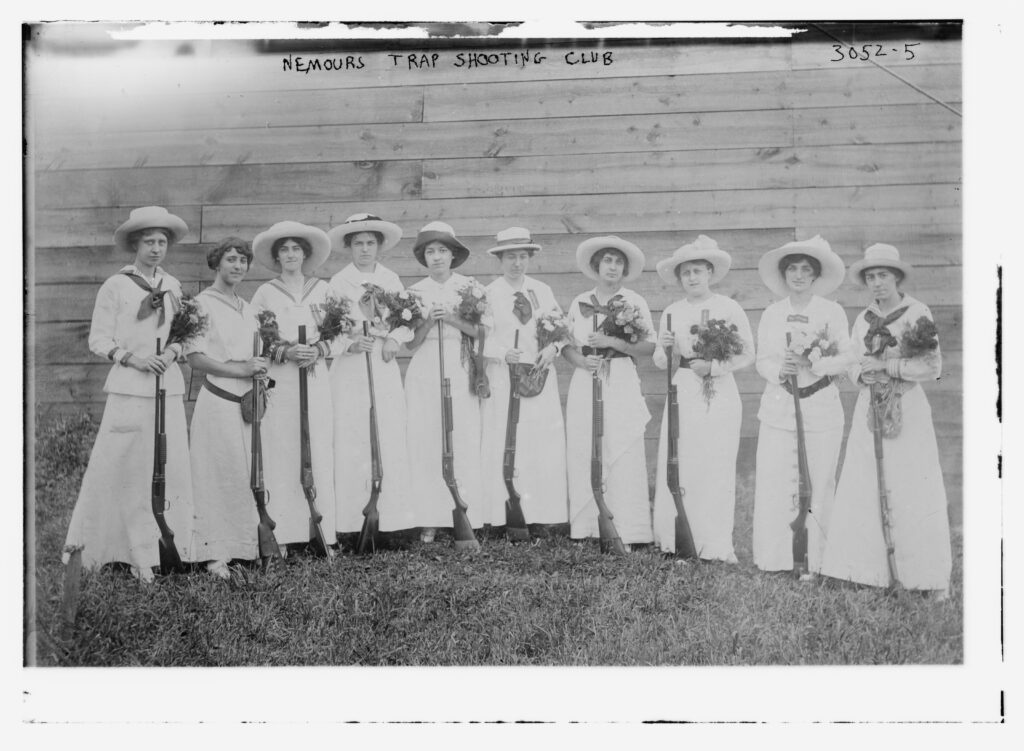
Clay shooting has long been associated with field tradition, but it is not limited by gender, age, or background. Across the Midwest, more women are stepping into the sport, joining leagues, and taking formal instruction. The fundamentals are the same for everyone: discipline, awareness, and patience.
You do not need upper-body strength. You need balance and focus. You do not need to grow up around firearms. You need respect for the process, the equipment, and a willingness to learn.
The culture, at its best, is very supportive, social, and skill-driven.
The First Broken Target
The first time a clay target breaks cleanly in midair, there is a brief stillness after the report. The fragments scatter. You lower the gun. There is no fanfare, just the quiet satisfaction of timing and follow-through aligning.
Clay shooting is not about aggression. It is about control.
It teaches steadiness. It rewards patience. It sharpens attention in a world that often pulls it in a hundred directions at once.
It is a partnership with focus and control, open to anyone willing to step to the line and call “pull.”
Sources
American Sporting Clays Association. (n.d.). National Sporting Clays Association: Registered events & top shoots. Retrieved February 23, 2026, from https://nsca.nssa-nsca.org/more-nsca-top-events/
Michigan Sporting Clays Association. (n.d.). Home. Retrieved February 23, 2026, from https://miclays.com/home
Paxton Arms. (n.d.). A history of clay shooting. Retrieved February 23, 2026, from https://paxtonarms.com/a-history-of-clay-shooting/
Northumberland Sporting Clays. (n.d.). Clay pigeon shooting history. Retrieved February 23, 2026, from https://www.northumberlandsportingclays.com/clay-pigeon-shooting-history/
Bristol Clay Shooting. (n.d.). History of clay shooting. Retrieved February 23, 2026, from https://www.bristolclayshooting.com/history.php
Project Upland. (n.d.). The history of sporting clays in America. Retrieved February 23, 2026, from https://projectupland.com/shotguns-and-shooting/the-history-of-sporting-clays-in-america/



Leave a Reply