
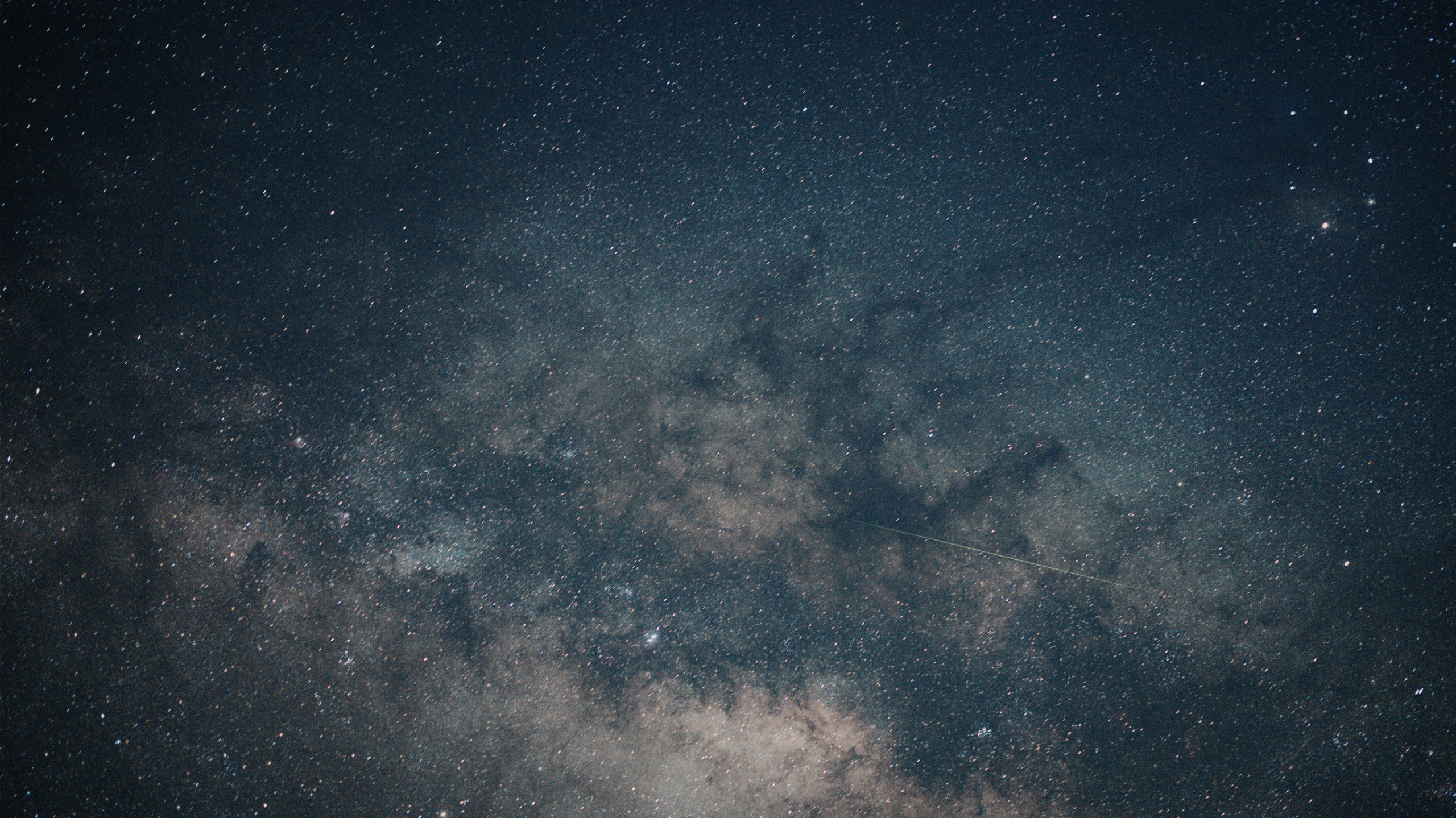
There’s no denying that the Great Lakes region boasts some of the best Dark Parks in the United States. From watching northern lights wisp across the sky to counting hundreds of shooting stars during a meteor shower, dark parks in the Great Lakes region allow us to have a front row seat to nature’s celestial night sky treasures. No matter the time of year, visiting a dark park can offer a unique experience to embrace the beauty of the night sky and all its spectacles. Below, we will discuss the dark sky reserve quality tiers, what to expect when you visit a dark sky park, and some of the best dark parks and viewing locations for you to visit in the Great Lakes region.
Categories of Dark Sky Places
When choosing a dark sky location to visit, it’s important to note what your primary goal is during your visit. There are five categories of dark sky places: International Dark Sky Parks, International Dark Sky Reserves, International Dark Sky Sanctuaries, International Dark Sky Communities, and Urban Night Sky Places (2). A place must meet specific guidelines in order to be categorized into one of these by the International Dark Sky Association (read more about these categories here). While all can offer excellent viewing of the night sky, they differ slightly in their purpose. In addition to these categories, the International Dark Sky Association has denoted tiers of gold, silver, and bronze for Dark Sky Reserves. The tier of a reserve is determined by several factors, including observable sky phenomena, nocturnal environment, and artificial light and skyglow. You can read more about specific requirements needed to qualify as one of these dark places here.
If your goal is to gain more education on topics ranging from constellation identification to effects of light pollution on wildlife and plant life, then consider attending a dark park during one of its scheduled workshops. Many of these scheduled events can be found on their websites. Be sure to plan ahead, as some require you to register in advance.
Michigan:
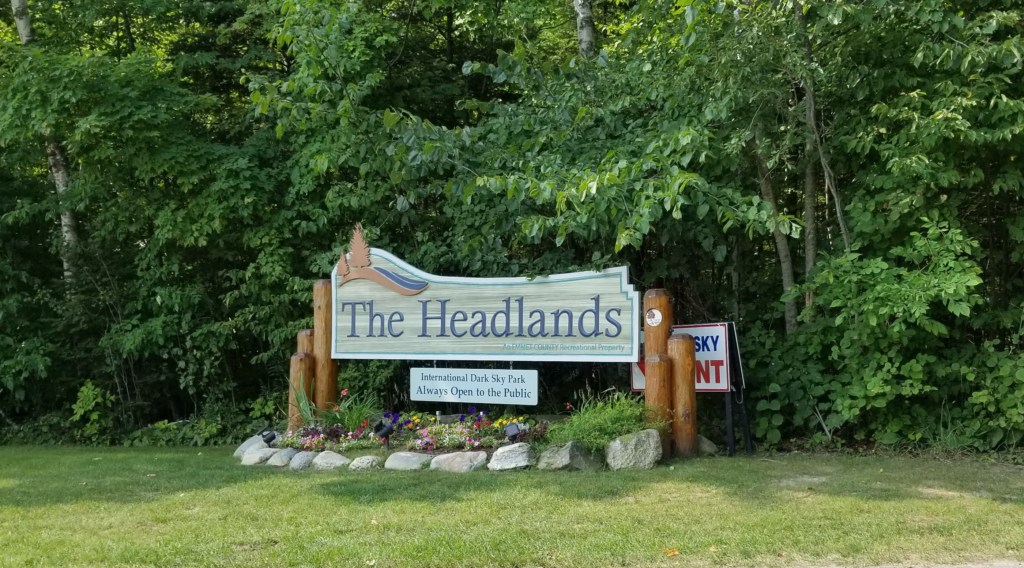
Headlands International Dark Sky Park (Emmet County, MI):
At one of the northernmost points of Michigan’s lower peninsula, Headlands International Dark Park lies on the Lake Michigan shoreline southwest of McGulpin Point Lighthouse and just 2 miles west of Mackinaw City. It was named one of the first ten International Dark Parks in the world in 2011. It is free to visit and open 24 hours a day, every day of the year. Because it sits along the Lake Michigan shoreline, the views it offers of the horizon are unmatched. If a KP4 (geomagnetic condition) or higher is predicted in the forecast, be sure to plan a trip here for stunning views of the aurora borealis.
This park also offers many educational workshops to attend. Upcoming workshops this year include their Aurora Chasers Workshop (March 20-22), The Lifecycle of a Star with Mick Groszco (June 17, 2026), and How Cold is Outer Space? With Kevin Dehne (July 9, 2026), along with many more. View all their upcoming workshops on their website here.
Pro Tips:
- Leashed dogs are allowed.
- Parking fills up quickly, so plan to get there soon after dusk to ensure you get a spot.
- Chairs/blankets are allowed.
- No camping is allowed.
- Do not bring cellphones, as their screens and flashlights are bright and can pollute the area with light and limit others’ viewing experience. Bring a red flashlight to help you see the trails.
- The trails leading down to the shore are lined with red lights, but some areas are very dark. There are red lights available for purchase through the park if needed.
Beaver Island State Wildlife Research Area International Dark Sky Sanctuary (Charlevoix County, MI)
While the entirety of Beaver Island, MI, experiences extremely low levels of light pollution as a whole, the Dark Sky Sanctuary itself encompasses over 9,000 acres. Accessible by ferry or plane, it offers unparalleled views of meteor showers, aurora borealis, and the Milky Way. The residents who live on Beaver Island share a united stance on preserving the wildlife and ecosystems that inhabit the island. The International Dark Sky Association has noted “SQM readings routinely darker than 21.6 magnitudes per square arcsecond in the visual band,” meaning the sky here is extremely dark and near-pristine (1). The island has many viewing sites, with Little Sand Bay Nature Preserve, Donegal Bay Pavilion, Gull Harbor Natural Area, and the Big Field (Sanctuary). If planning a camping trip on Beaver Island, Bill Wagner Campground and Township Campground offer beautiful views. For information on upcoming events by the Beaver Island Dark Sky Project Team and celestial events, visit their website here.
Pro Tips:
- While leashed dogs are generally allowed on Beaver Island, some areas prohibit them, so plan which locations you want to visit on the island prior to your trip.
Keweenaw Dark Sky Park (Keweenaw County, MI)
Located at the northernmost point of Michigan’s Upper Peninsula, Keweenaw Dark Sky Park is surrounded by old-growth forests and an extensive amount of wildlife. The park is located on the property of the historic Keweenaw Mountain Lodge, and the general public can access the grounds from 7 PM-7 AM. In addition to a park map with night-sky viewing areas, the Keweenaw Dark Sky website also provides a map of stargazing areas in the surrounding areas, including Brockway Mountain, several Lake Superior lakefront areas, and county/state parks. Visit their website here for more information.
Pro Tips:
- Blankets, camping bags, food, and beverages are allowed in the Dark Sky Park, but please leave no trace.
- There are no facilities available to the general public on the grounds, so plan ahead!
- Dogs are allowed on leash but must be kept out of protected areas.
- Pay attention to the detailed map if you are looking to see the Milky Way, Northern Lights, or easily accessible points, as these spots are all highlighted in the map legend.
Dr. T.K. Lawless International Dark Sky Park (Cass County, MI)
Located in Southwest Michigan, Dr. T.K. Lawless International Dark Sky Park is over 820 acres. Because this is a county park, there are specific dates that the park will be open late for viewing events and stargazing. On these nights, volunteers will meet you in the main parking lot and guide you to the best viewing spots within the park specific to the event. Just a few of the notable events this year include International Dark Sky Week (April 12 and 18), Perseid Meteor Shower (August 11 and 12), and Orionid Meteor Shower (October 21). You can view all their stargazing dates on their website here.
Pro Tips:
- Stay up to date with events and information by following the Dr. Lawless International Dark Sky Park/Michigan Dark Sky Preserve on Facebook.
- Events are weather permitting, so plan accordingly.
- Because this is a county park, expect to pay a daily entry fee (usually $4 for non-county residents and $2 for county residents).
- Blankets, folding chairs, and snacks are allowed.
Wisconsin:
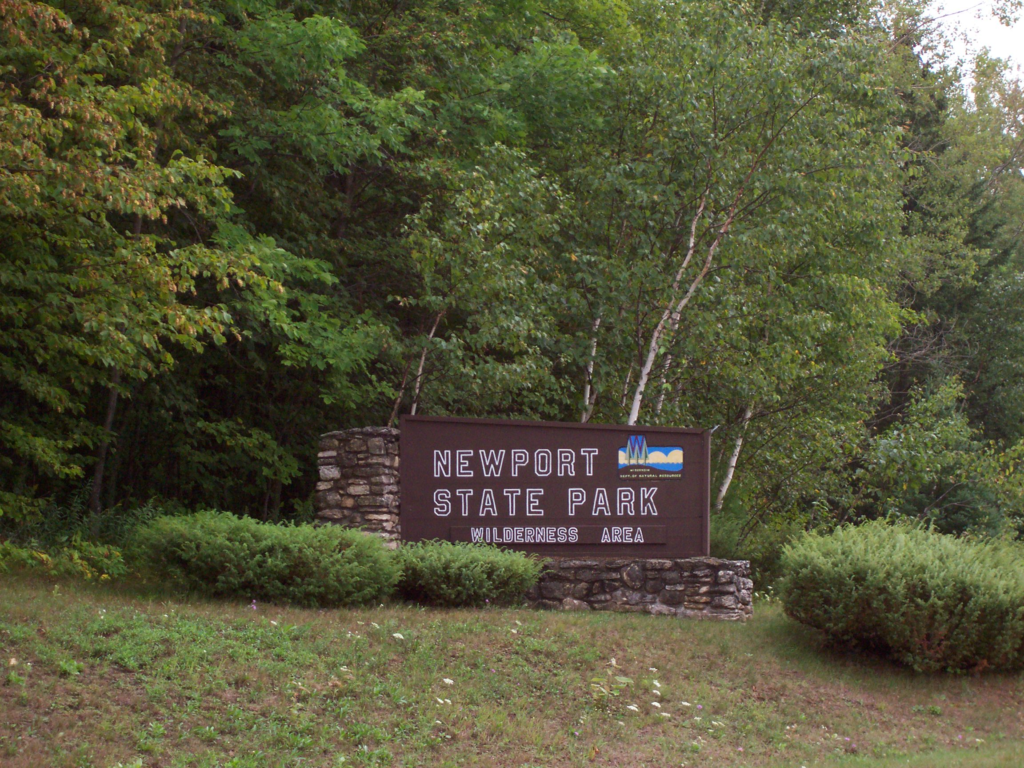
Newport State Park (Door County, WI):
Located on the tip of the Upper Door Peninsula on Lake Michigan, this park offers exceptional views of the horizon and was Wisconsin’s first International Dark Sky Park. With over 2,000 acres of land, the park has hardwood forests, meadows, and plenty of coastline views, making it a perfect place for camping, hiking, and stargazing at night. The areas suggested for dark-sky viewing include the end of Europe Bay Road, the meadow west of the park office in lot 1, and the beach viewing area off the paved paths from lot 3 (here). Keep an eye on their event page for upcoming stargazing events. During sky viewings, the park has high-powered telescopes set up for you to use.
Pro Tips:
- The terrain can be uneven, as many paths leading to the viewing areas are unpaved, so if planning on setting up viewing equipment (Telescopes, etc.), plan ahead.
- Because this is a state park, you must pay a daily fee before entering the park. If you are not camping within the park, keep in mind the park hours are 6 AM- 11 PM.
Kickapoo Valley Reserve (primarily Vernon County, WI)
Located between La Farge and Ontario, Kickapoo Valley Reserve is an over 8.5 thousand-acre protected area managed by the Ho-Chunk Nation and the Kickapoo Reserve Management Board. Featuring everything from deep valleys to sandstone cliffs, it is known as a prime area for outdoor sports enthusiasts who like to kayak and hike. It is also home to the famous sea caves. Although it is not officially recognized as an International Dark Sky Park due to increases in light pollution over the past few years, the Kickapoo Valley Dark Sky Initiative continues to educate the public and raise awareness on light pollution with a future goal of official accreditation. A map of nighttime trails and stargazing spots within Kickapoo Valley Reserve can be viewed here.
Pro Tips:
- If planning to camp during your visit, note that there are both vehicle-accessible and non-vehicle-accessible campsites.
- If planning to visit for the day, day passes for individuals ($5) or families ($15) are available.
Wildcat Mountain State Park (Vernon County, WI)
Located directly above Kickapoo Valley Reserve, Wildcat Mountain State Park is one of Wisconsin’s oldest state parks. Full of hiking and equestrian trails, this park is a must-see for your next camping and stargazing trip. There are night-sky viewing areas throughout the park, as shown on the map here. One of the best locations for stargazing is located in the upper picnic area, which is conveniently located by the parking lot and near the park office and family campground.
Pro Tips:
- Since this is a state park, the hours of operation are 6 AM-11 PM (unless you are camping). A daily admission pass for your car will need to be purchased at the gate.
Wyalusing State Park (Grant County, WI)
Home to the Huser Astronomy Center, this park has an observatory with a steerable dome that holds a number of high-powered telescopes. The StarSplitters Astronomy Club is based here and regularly holds workshops from May through October for the public at no cost. View their website here for specific program dates and more information on the program itinerary. High elevation spots along the bluffs overlooking the Mississippi and Wisconsin Rivers are also great spots to view the stars from.
Pro Tips:
- Since this is a state park, the hours of operation are 6 AM-11 PM. A daily admission pass for your car will need to be purchased at the gate.
Indiana:
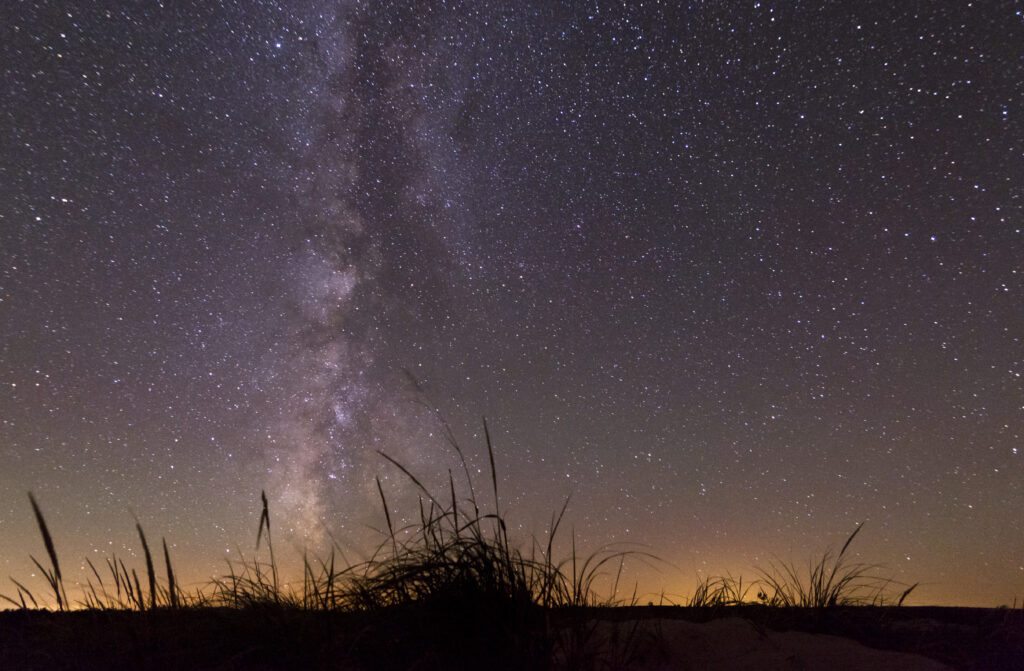
Beverly Shores (Port County, IN)
East of Chicago and situated on the coast of Lake Michigan as part of the Indiana Dunes National Lakeshore, Beverly Shores is an International Dark Sky Community committed to reducing light pollution through strict lighting practices. Kemil Beach parking lot is a popular spot for viewing the Milky Way, with a number of astronomy groups, including the Michiana Astronomical Society, meeting here with their telescopes to catch a glimpse of the night sky. This spot is also open 24/7!
Potawatomi Wildlife Park (Marshall County, IN)
Named as Indiana’s first Dark Sky Preserve, Potawatomi Wildlife Park boasts a large observation field that serves as a perfect location for stargazing. The Warsaw Astronomical Society of Indiana meets here regularly for viewing. Follow them on Facebook here for dates on upcoming events at this location.
Pro Tips:
- The observation field here is available by request, so if you are planning on attending on a certain date by yourself, be sure to email them with the requested information found on their website to reserve. They also have a helpful map to help you locate the observation field within the park.
Illinois:
Middle Fork River Forest Preserve (Champaign County, IL):
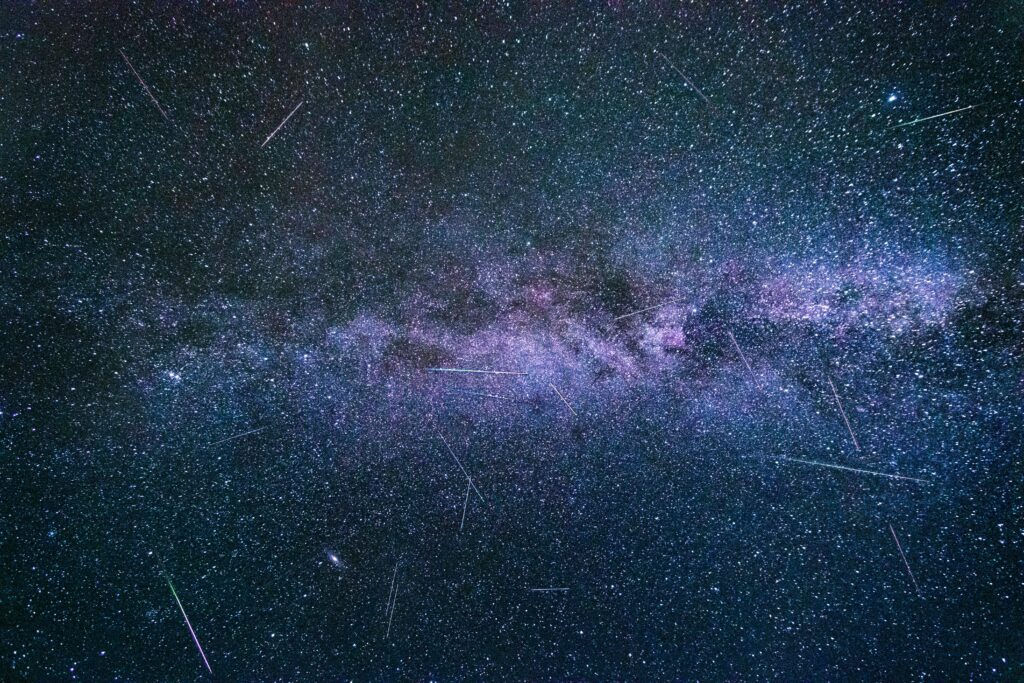
Looking to plan an unforgettable summer trip under the stars? As Illinois’s only International Dark Sky Park, Middle Fork River Forest Preserve is the perfect location. Complete with 11 campsites, an observatory, and even a trail for stargazing, Middle Fork River Forest Preserve is an astronomy lover’s dream. The trail was made with stargazers in mind, with hammock stands, nodes for telescope set-ups/viewing, and even star-shaped benches. Did we mention the observatory is solar-powered and completely off-grid?
Pro Tips:
- While certain areas of the park close 30 minutes after dusk, the Dark Sky Trail and North Waterfowl Management Area remain open 24/7 for night sky viewing. Ensure your vehicle is parked at one of these locations before starting your stargazing. Visit their website here for more information and to reserve your campsite.
Ohio:
Geauga Observatory Park (Geauga County, OH):
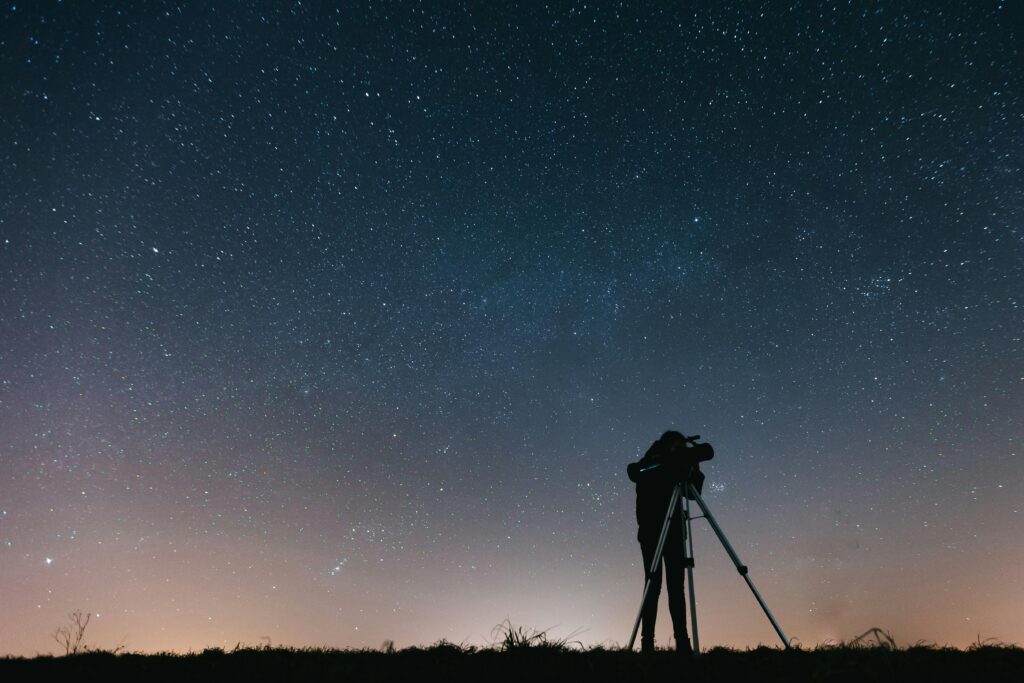
Featuring the Nassau Astronomical Station and one of the largest public viewing telescopes in Ohio, Geauga Observatory Park holds many free interactive events for the public. It has achieved silver-tier status and become Ohio’s first International Dark Sky Park, and even has permanent astronomy-themed exhibits to explore. Join them on one of their hosted astronomy nights to explore Nassau Astronomical Station and experience planetarium demonstrations.
Pro Tips:
- While buildings are open during scheduled programs, it is recommended that you check their website for their park hours before you visit.
Fry Family Park (Stark County, OH):
Located in Magnolia, Ohio, Fry Family Park is a certified Urban Night Sky Place that offers amazingly vast views of the night sky. With over 300 acres and multiple trails, its rolling hills and the surrounding woodlands are picturesque during the day as well! Visit the shelter area on Tuesdays, Thursdays, and Saturdays from November 1 through April 30, or Tuesdays and Thursdays, May through October, when the lights are off for best viewing. However, there are other areas within their park for great views of the sky if you happen to visit on one of the other nights. Visit their website here for more information.
Tips for Stargazers:
- Plan your trip on a night during a new moon if possible to see more star coverage.
- Red lights are essential for visiting any dark parks! Red lights help to not distort your eyes or fellow stargazers around you, so you are able to better see all the stars. White light in dark parks ruins our night vision and contributes to light pollution.
- If you do not have a telescope but have a set of binoculars on hand, feel free to bring them as they can help you to locate constellations and other phenomena in the night sky.
- Try to visit the Clear Sky Charts website to help you plan for the best clear nights to visit a dark park.
I hope this guide has helped you in your stargazing journey. Next time you are at a dark park or even admiring the stars in your own backyard, take a second to appreciate the beauty of the phenomena that fill our night skies.
Although dark parks are amazing places to stargaze, they also often act as safe places for wildlife and homes for endangered animals that have been impacted by the growing problem of light pollution that can often impact their migratory habits and ways of life. In order to try to bring awareness to this, DarkSky International is calling for volunteers to help advocate for the future of our night skies. You can get in touch with them here if you feel called to bring awareness and help organize educational events for the public near you!
Inspired to plan some more outdoor trips? Check out our blog on the Top Five Hikes to Take Around the Great Lakes.
Sources
- Beaver Island State Wildlife Research Area is certified as Michigan’s first International Dark Sky Sanctuary. DarkSky International. April 8, 2024. Accessed March 10, 2026.https://darksky.org/news/beaver-island-state-wildlife-research-area-certified-as-michigans-first-international-dark-sky-sanctuary/
- Public Lands: Preserving and Protecting Night Skies – American Trails. Accessed March 10, 2026.https://www.americantrails.org/resources/public-lands-preserving-and-protecting-night-skies

Leave a Reply