Winter in the Great Lakes requires some preparation for your wardrobe. Long stretches of cold, wind coming off the lakes, and heavy snowfall mean that dressing for winter is less about trends and more about comfort, practicality, and staying warm enough to enjoy the season.
Having lived here my entire life, I have learned how to dress for winter in a way that feels manageable rather than overwhelming. This guide reflects what I actually reach for during the coldest months and how I adjust my layers depending on the conditions outside. With the right foundation, winter can feel quieter and more peaceful rather than something to simply endure.
Step One: Read the Weather Forecast
Before getting dressed, I always take a quick look at the forecast. Winter conditions in the Great Lakes can vary widely from day to day. Some mornings bring wet, heavy lake-effect snow, while others are dry but sharply cold with strong wind chills.
I have learned that taking a moment to check the forecast can make the difference between feeling comfortable all day or counting down the minutes until you are back inside.
Step Two: Choose Your Base Layer
Your base layer sits directly against your skin and should fit comfortably close without feeling restrictive. This layer acts as a second skin and plays an important role in managing moisture. Staying dry is one of the most important parts of staying warm.
On wet days, I reach for a midweight wool or synthetic base layer. These materials continue to insulate even when damp. On colder but drier days, a lightweight wool or synthetic option is usually enough.
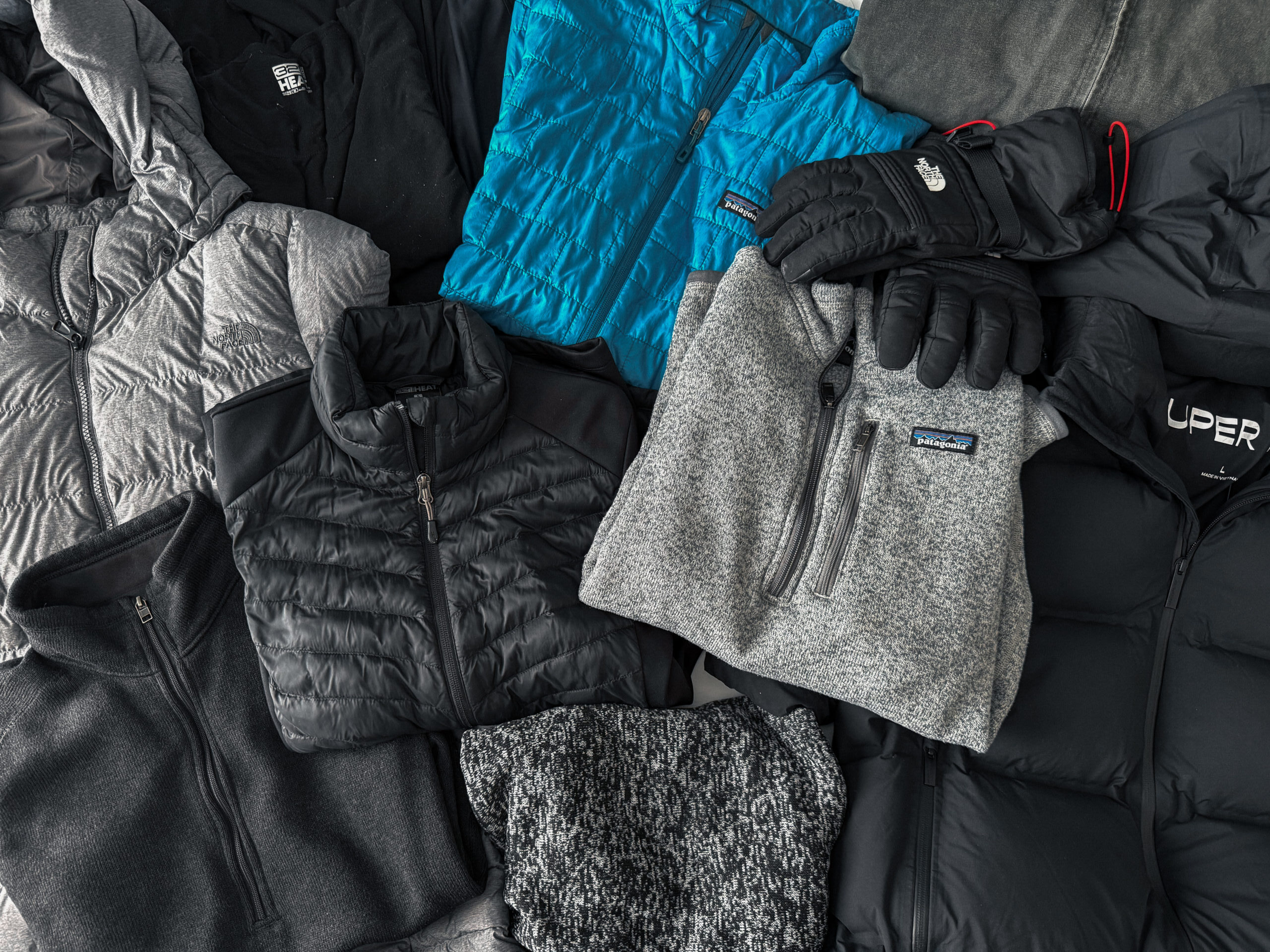
Some of my favorite base layers include options from 32 Degrees, UNIQLO HEATTECH, Smartwool’s Classic Thermal line, and Icebreaker. I like having both lightweight and midweight options on hand so I can adjust easily depending on the weather.
Step Three: The Insulation Layer
The insulation layer is where warmth really comes together. Its purpose is to trap heat and keep it close to your body.
This layer should fit comfortably without being tight. Too loose and heat escapes, too tight and you lose the insulating benefit. It took me a few winters to find the right balance here, but it makes a noticeable difference.
On cold, dry days, I often reach for a down or synthetic insulated jacket paired with fleece-lined leggings or insulated pants. On wetter days, a tightly knit fleece jacket combined with synthetic hiking pants works better. Fleece continues to insulate even when damp and dries relatively quickly.
Reliable options I return to include Patagonia fleece jackets, the REI Co-op 650 Down Jacket, the 32 Degrees ultra-lightweight packable down jacket, and the Patagonia Nano Puff. For both base and insulation layers, it is best to avoid cotton, which absorbs moisture and can leave you feeling colder.
Step Four: Selecting Outerwear
Your outer layer protects you from wind, snow, and rain, and is often the most significant investment in a winter wardrobe. Look for outerwear that is windproof and fully waterproof, not just water-resistant.
Many people prefer a longer parka that extends below the thighs or knees. Personally, once I switched to a longer length, I never went back. Blocking the wind at your legs makes a noticeable difference on cold, blustery days.
After trying winter coats from many notable brands over the years, I have found the Aritzia Super Puff₂O™ Long – Rainstop to be my favorite option. It offers substantial insulation, strong wind protection, and is waterproof while remaining lightweight. This parka has served me well through some of the coldest and windiest days.
Other reliable options include the Lululemon Wunder Puff 600, the REI Co-op Stormhenge Down Hybrid Parka, and the Patagonia Tres 3-in-1 Parka.
For extended time outdoors or physically demanding work, such as long hours outside or in the barn, I often recommend Carhartt. Their jackets are designed to allow for movement while still providing serious insulation, making them a great choice when warmth and durability matter more than refinement.
Step Five: The Importance of Winter Accessories
Once your main layers are in place, accessories become essential. Wool-blend socks help regulate temperature and manage moisture, while insulated, waterproof gloves and a well-fitting hat protect hands and ears from cold and wind.
Scarves or balaclavas are especially helpful on windy days. Protecting exposed skin helps prevent irritation and discomfort during extended time outdoors, especially when temperatures drop.
Step Six: Don’t Forget the Boots
A good pair of winter boots is essential in the Great Lakes. Wet snow often refreezes into ice, making traction just as important as warmth.
Look for boots that are insulated, waterproof, and designed with strong tread. Boots that rise high enough to keep snow out are especially useful during heavy snowfall.
A few options I consistently recommend include the Sorel Caribou, the Sorel Explorer II Joan, and the Oboz Bridger 9” Insulated B-Dry Winter Boots.
Final Thoughts
With the right layers, winter in the Great Lakes becomes far more approachable and enjoyable. Dressing thoughtfully allows you to spend time outside comfortably and appreciate the season rather than rushing through it. Winter may require more preparation, but it also offers a quieter, slower rhythm that feels worth leaning into.
The opinions and recommendations in this article are my own. None of the products mentioned are sponsored, and I do not receive compensation for these recommendations.