
Cottage Culture: A Timeless Tradition
There is something about a cottage that resists urgency.
Time moves differently there. Mornings begin without alarms. Evenings stretch longer. Days are shaped less by schedules and more by weather, light, and the simple rhythm of being present. Cottage culture is not defined by square footage or location, but by a way of living that values slowness, simplicity, and connection.
Across the Great Lakes and much of the northern Midwest, the cottage has long been a place of retreat. Not escape exactly, but return. Return to quieter routines. Return to family and friends. Return to the kind of living that leaves room to breathe.
What Cottage Culture Really Means
At its core, cottage culture is about intention.
Historically, cottages were modest structures. Built close to the water or tucked into the woods, they were designed for seasonal living rather than permanence. Furnishings were practical. Spaces were shared. Comfort came from warmth, familiarity, and routine rather than luxury.
Over time, the cottage became something more than a building. It became a tradition. A gathering place. A shared memory passed between generations.
Cottage culture values togetherness over privacy, usefulness over perfection, and tradition over trend. It is a lifestyle rooted in place and season, shaped by repetition rather than reinvention.
A Place Built for Seasons
Cottages are deeply seasonal spaces.
Spring brings cleaning and preparation. Windows are opened. Porches are swept. The first meals are eaten outdoors, even if the air is still cool. Summer is the season of long days, bare feet, and meals that linger past sunset. Fall arrives with cooler nights, quieter weekends, and the ritual of closing up. Winter turns the cottage inward, a place for stillness or occasional snowy visits.
These cycles are not inconveniences. They are part of the appeal. Cottage culture is built on the understanding that each season offers something different, and that life feels richer when it follows those natural rhythms.
The Interior Language of a Cottage
Cottage interiors tell stories.
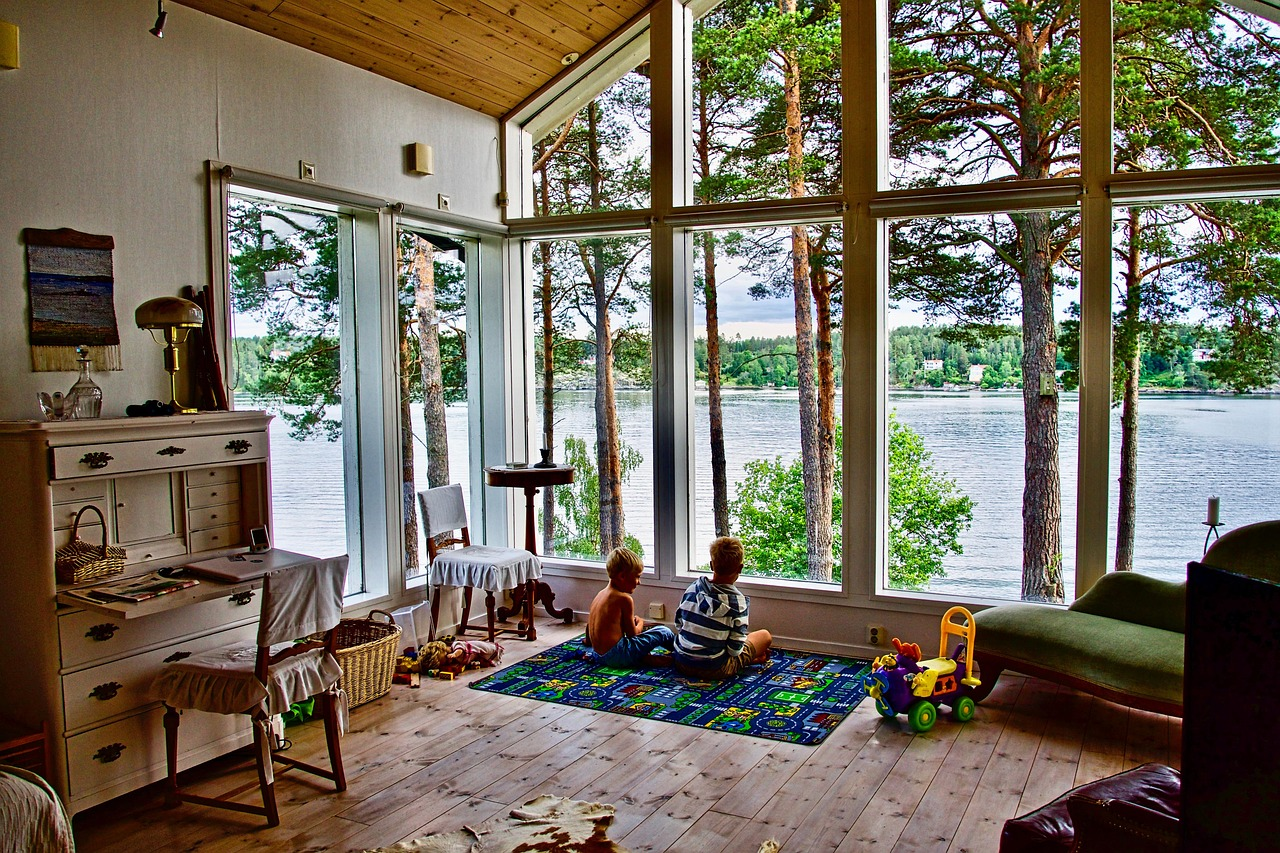
Furniture is often mismatched and collected slowly over time. Walls hold layers of memory rather than curated perfection. Textiles are chosen for warmth and durability. Materials feel honest. Wood shows wear. Floors carry the marks of many summers.
Nothing is too precious. Everything is meant to be used.
This approach creates a sense of ease. A cottage invites people to settle in rather than perform. Shoes are kicked off. Doors are left open. Spaces are shared without ceremony.
The beauty of cottage interiors lies in their lived-in quality. They feel personal because they are.
Cottage Life is Meant to Be Shared
Perhaps the most defining feature of cottage culture is how it brings people together.
Cottages are rarely solitary places. They are designed for gathering. Meals are cooked communally. Beds are shared or improvised. Conversations stretch late into the night. Guests come and go with little formality.
This kind of living fosters closeness. It asks people to slow down, to notice one another, and to participate. In a world that often prioritizes individual space and constant productivity, cottage life offers a gentle alternative.
Here, time is measured in shared experiences rather than output.
Traditions Passed Down
Cottage culture thrives on repetition.
The same chairs are pulled out each summer. The same route to the water. The same evening rituals. These small, repeated moments form the backbone of cottage life.
Over generations, traditions emerge. A particular meal cooked every opening weekend. A favorite swimming spot. A well-worn deck of cards. These rituals become part of a family’s shared language, anchoring memory to place.
Even for those new to cottage living, these traditions take root quickly. The slower pace allows space for habits to form and meaning to accumulate.
Why Cottage Culture Endures
Cottage culture has endured because it offers something increasingly rare. It offers permission to rest. Permission to live simply. Permission to let go of constant optimization.
In cottages, success is measured differently. A good day might be defined by a long walk, a shared meal, or an afternoon spent reading in the quiet. Productivity gives way to presence.
This way of living feels timeless because it responds to a human need that has not changed. The need for connection. The need for place. The need for moments that feel unhurried and real.
Carrying the Cottage Spirit Home
You do not need a lakeside cottage to live within cottage culture.
Its principles translate easily into everyday life. Creating spaces that invite gathering. Valuing comfort over perfection. Allowing seasons to shape routines. Choosing objects with stories rather than trends.
Cottage culture reminds us that home does not have to be complicated to be meaningful. It asks only that we slow down enough to notice what we already have.
In that way, the cottage is less a destination than a mindset. One that continues to endure, quietly and steadily, through generations.