
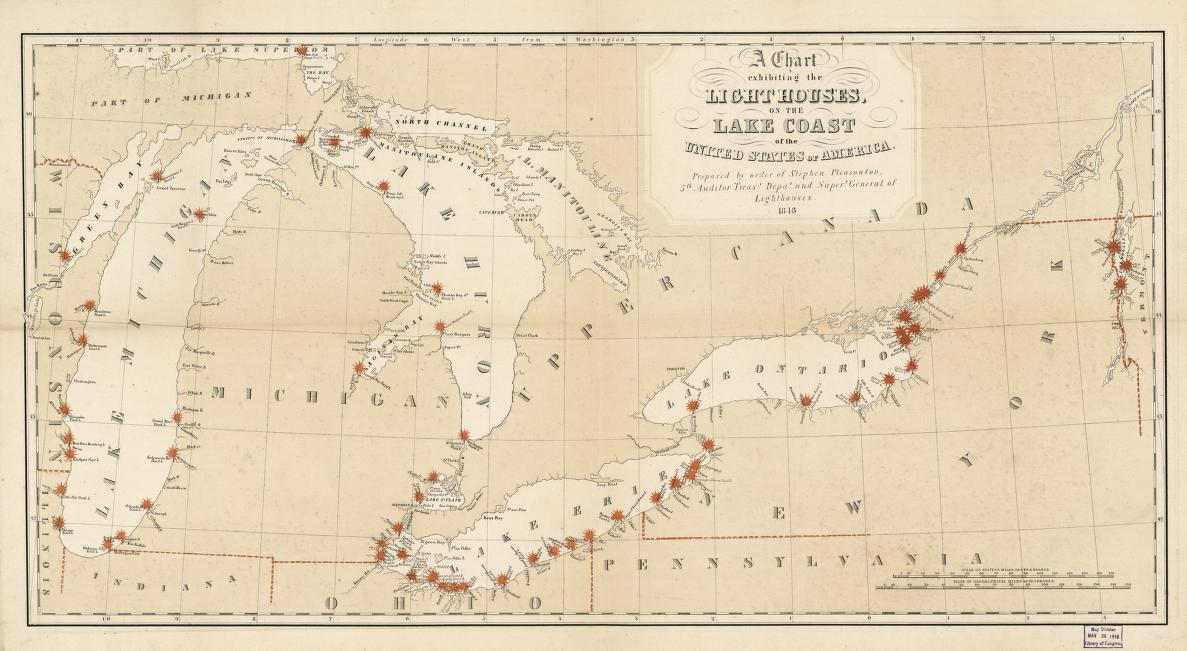
Image courtesy of the Library of Congress, Geography and Map Division. “A chart exhibiting the lighthouses of the lake coast of the United States of America,” by Stephen Pleasonton, 1848.
In the 19th and early 20th centuries, the Great Lakes were a rugged frontier of maritime commerce. While history often highlights the men who braved the “Gales of November,” there is a steel-nerved group of women who kept our shores safe.
Across the Great Lakes, more than 60 women officially held the title of Head Keeper or Assistant Keeper. The U.S. Lighthouse Service was one of the few federal institutions where women could hold official positions and, in many cases, receive the same salary as male keepers.
Carrying the Torch: Why Women Became Keepers
For many women, the path to the lantern room was born from family duty. Lighthouses were often family-run operations where wives and daughters were trained as unofficial assistants.
When a husband or father passed away or fell ill, the Lighthouse Service often appointed the widow or daughter to the post. This was a practical move as they already knew how to trim wicks and polish the massive Fresnel lenses made of finely cut glass prisms. They “carried the torch” literally and figuratively, ensuring the light never went out during some of their darkest personal hours.
The Beacons of the Lakes: Prominent Female Figures
To list every woman who served would fill a library, but these figures represent the remarkable range of service across our Great Lakes heritage.
To ensure historical accuracy, these profiles are based on the official “Register of Lighthouse Keepers” and the United States Coast Guard Historian’s Office register of women lighthouse keepers.
1. Catharine Shook (Pointe Aux Barques, MI):
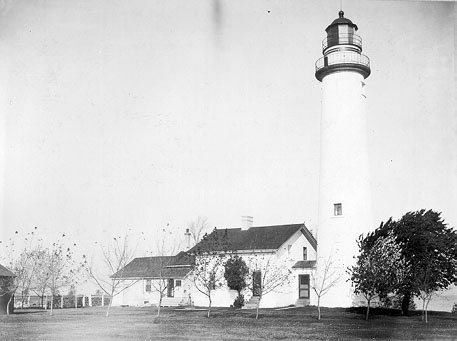
Served from 1849 to 1851 (2 years). Catharine became the acting keeper after her husband Peter drowned in 1849, making her the first woman to manage a lighthouse in Michigan. She raised eight children while tending the light on Lake Huron’s “Thumb,” proving the incredible resilience of the early pioneer keepers.
2. Harriet Colfax (Michigan City Lighthouse, IN):
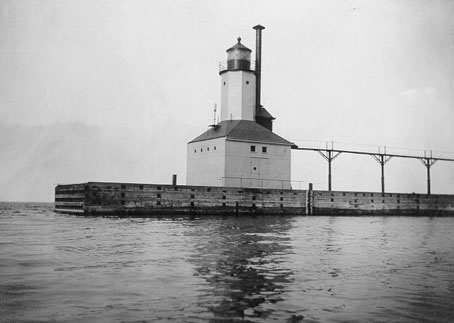
Served from 1861 to 1904 (43 years). One of the most enduring keepers in U.S. history. Appointed by her cousin, Schuyler Colfax (who later became Vice President), Harriet served through the Civil War and into the 20th century. She was famous for her reliability, often rowing across the harbor in gales to light the pier beacon after the main light was set. She retired at age 80, having never missed a night of duty.
“It is fearful to hear the groaning storm for hours before it breaks upon us–its groans, its mysterious booming sounds, its howls and its wild, demonical shriek. It is then that I am in the light-house and keep my lamps trimmed, for then the poor wretches that are tossed about on the angry waves and are at their wits’ end most do need the faithful discharge of my duties.” – Harriet Colfax
3. Anastasia “Eliza” Truckey (Marquette Breakwater, MI):
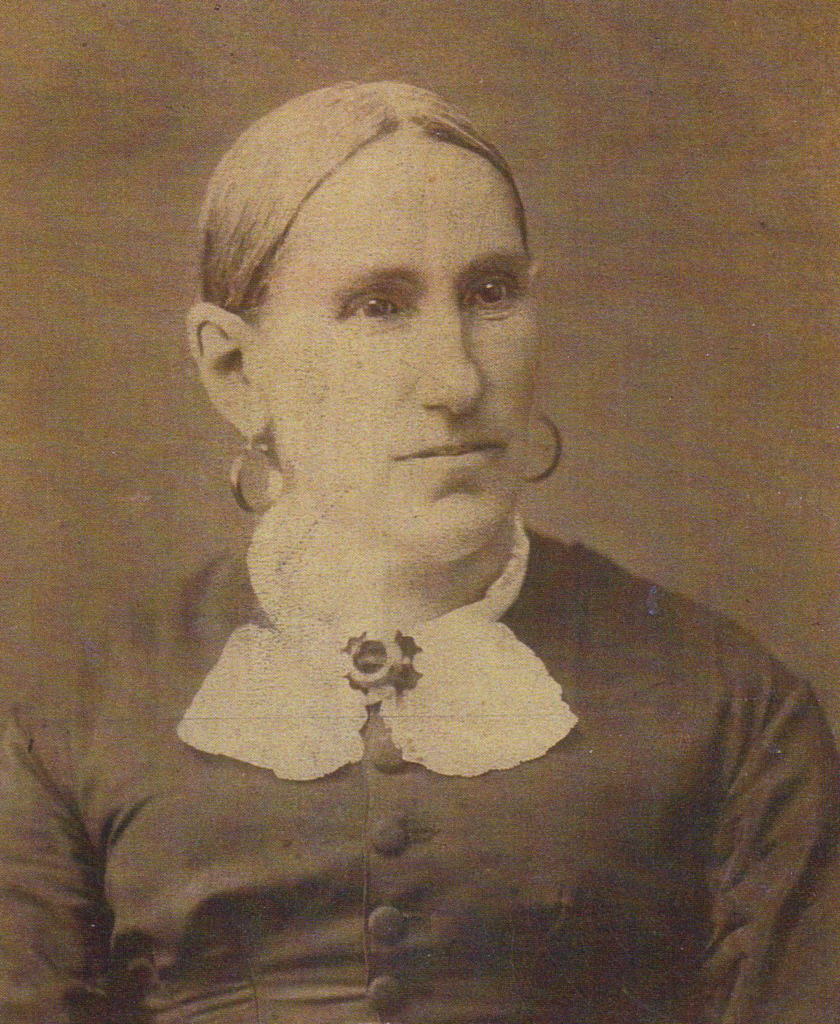
Served from 1862 to 1865 (3 years). When her husband, Captain Nelson Truckey, left to fight for the Union in the Civil War, Eliza was appointed to manage the Marquette Harbor Light. She kept the rugged Lake Superior shore safe for three years, proving that maintaining the harbor was a vital contribution to the war effort.
4. Mary Terry (Sand Point Lighthouse, MI)
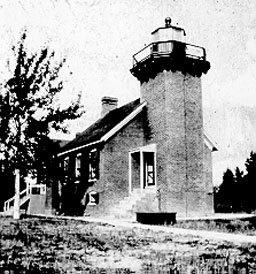
Served from 1868 to 1886 (18 years). Mary was appointed the first keeper of Sand Point Light in Escanaba after her husband John died just before it became operational. She was known for her meticulous care of the station until her tragic death in a lighthouse fire in 1886.
5. Elizabeth (Whitney) Van Riper Williams (Beaver Island & Little Traverse, MI)
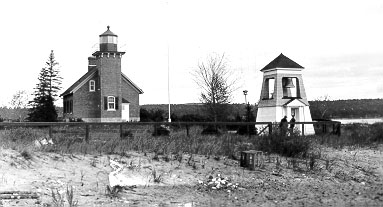
Served from 1872 to 1913 (41 years). After her husband, Clement Van Riper, drowned in 1872 while attempting to rescue a crew from a sinking schooner, Elizabeth took over the Beaver Island Harbor Light. In 1884, she transferred to the Little Traverse Light (Harbor Springs), where she served until retirement. Her autobiography, A Child of the Sea, remains a seminal record of 19th-century Great Lakes life.
6. Georgia Stebbins (North Point Lighthouse, WI)
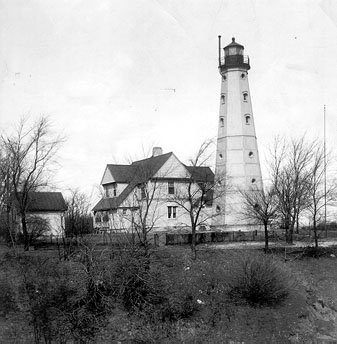
Served from 1881 to 1907 (26 years). Georgia moved to Milwaukee from New York after being diagnosed with tuberculosis, hoping the “lake air” would help. She began assisting her ailing father at North Point and eventually became the official head keeper in 1881. She is credited with climbing the lighthouse stairs tens of thousands of times and was the longest-serving keeper in the station’s history.
7. Anna Carlson (Michigan Island, WI & Whitefish Point, MI)
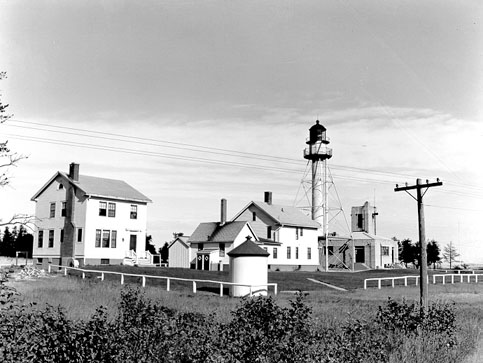
Served from 1898 to 1931 (33 years of combined service). Anna represents the transition from “unpaid partner” to an officially recognized officer of the light. While stationed at the secluded Michigan Island, she performed the duties of a first assistant while raising three children. Her most harrowing trial came when her husband, Robert, was swept onto Lake Superior by a sudden sub-zero gale. For four days, as snow and dense fog blanketed the island, Anna maintained the beacon alone. The Lighthouse Board formally recognized her service with an official Assistant Keeper appointment when the family later transferred to Marquette.
8. Maebelle Mason (Mamajuda Island, MI)
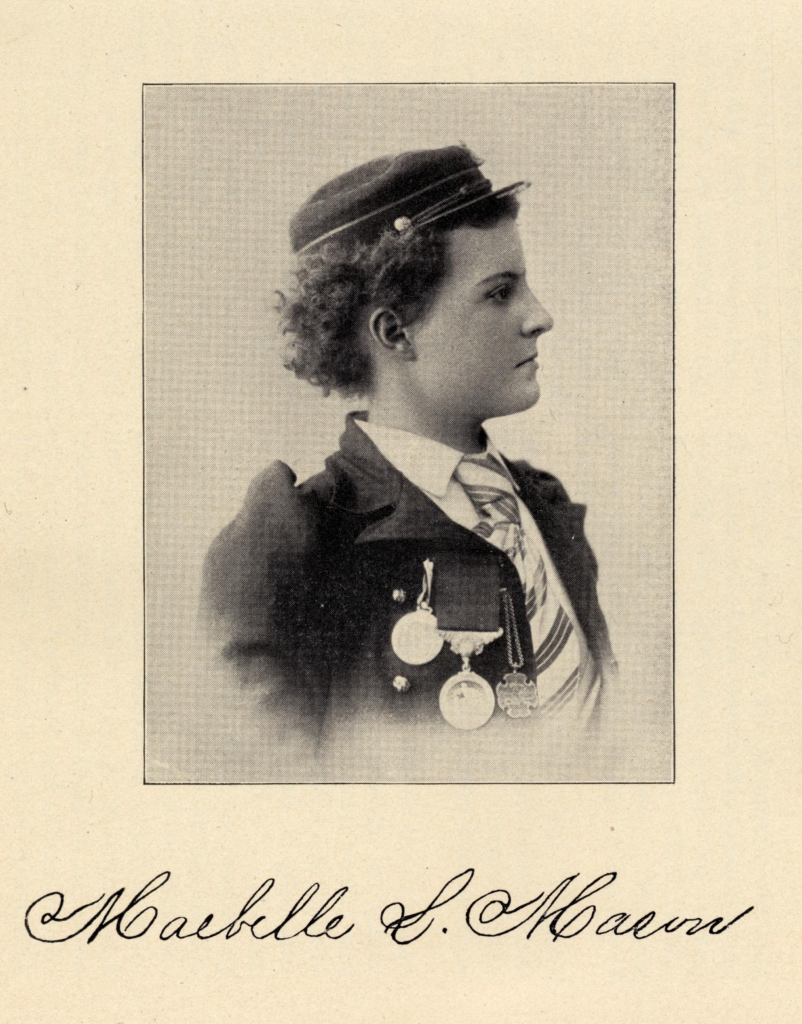
While not an official keeper herself, the 14-year-old daughter of the Mamajuda Light keeper became a regional hero in 1890. When she spotted a man drowning in the Detroit River while her father was away, she launched a small skiff alone, rowed a mile into the current, and pulled him to safety. She was awarded the Silver Life Saving Medal for her bravery, one of the few civilians to receive it at the time.
The Daily Grind of a “Wickie”
Life as a “Wickie” (a nickname for those who trimmed the lamp wicks) was anything but romantic. Starting in the 19th century, the Lighthouse Service occasionally provided guidance and requirements for their employees, an example of this is in the 1927 Instructions to Employees of the United States Lighthouse Service. Some of the daily items included:
- Polishing the Lens: Fresnel lenses are massive (some weighing several tons), intricate crystals that required daily cleaning to ensure the beam reached the horizon.
- Winding the Clockwork: In early lighthouse models, to make the light “flash,” the lens sat on a rotating pedestal driven by a clockwork mechanism. This was powered by a heavyweight, similar to a grandfather clock, that descended through a long tube in the center of the tower. Every few hours, the keeper had to manually “wind” the weight back up to the top of the tower using a large crank. If they fell asleep and the weight hit the bottom, the light would stop rotating, potentially leading ships to their doom.
- Heating the Oil: In the freezing Great Lakes winters, lard oil would congeal. Women like Harriet Colfax had to heat the oil on a kitchen stove and carry the scalding buckets up the tower stairs before it froze.
Further Reading: Deep Dives into the Light
If you want to read the primary documents and personal stories of these women and more, we highly recommend the following:
- “Women Who Kept the Lights” by Mary Louise Clifford and J. Candace Clifford. This is the definitive collection of biographies for American female lighthouse keepers. It details the rigors of the Lighthouse Board’s inspections and the personal sacrifices made by these “Lady Keepers.”
- “A Child of the Sea” by Elizabeth Whitney Williams. A rare, first-hand account of life on Beaver Island and the transition from the old lard-oil lamps to modern kerosene.
- “Ladies of the Lights: Michigan Women in the U.S. Lighthouse Service” by Patricia Majher. This is a must-read for those focused on the Michigan shorelines. Majher highlights over 50 women who served in Michigan alone, detailing their daily lives and the specific challenges of the Wolverine State’s coastlines.
Honor the Watch
The next time you visit a lighthouse along a rocky shore or bluff, look at the stairs. Imagine carrying a bucket of heated oil up those steps in the middle of a November gale. These women were the silent sentinels of our shores, and their legacy is written in the thousands of lives they saved.
Learn more about iconic beacons of the Great Lakes in our Keepers of the Light: A Journey to Iconic Beacons of Lake Superior blog.
Sources
To maintain the integrity of our Great Lakes heritage, we rely on the following historical archives and records:
Clifford, M. L., & Clifford, J. C. (2013). Women who kept the lights: An illustrated history of female lighthouse keepers. Cypress Communications.
Majher, P. (2010). Ladies of the lights: Michigan women in the U.S. Lighthouse Service. University of Michigan Press.
National Oceanic and Atmospheric Administration. (2023). Beacons of history: Women lighthouse keepers. Retrieved March 4, 2026, from https://sanctuaries.noaa.gov/news/may23/beacons-of-history.html
National Park Service. (n.d.). Lighthouse Keepers. https://www.nps.gov/articles/lighthouse-keepers.htm
National Park Service. (n.d.). Harriet Colfax biography. Retrieved March 4, 2026, from https://www.nps.gov/people/harriet-colfax.htm
National Park Service. (n.d.). Women of Michigan Island light station landscape. Retrieved March 4, 2026, from https://www.nps.gov/articles/women-of-michigan-island-light-station-landscape.htm
North Point Lighthouse Museum. (n.d.). Georgia Stebbins: Lady lighthouse keeper. Retrieved March 4, 2026, from https://northpointlighthouse.org/learn/keepers/georgia-stebbins/
U.S. Coast Guard Historian’s Office. (n.d.). Female lighthouse keepers. Retrieved March 4, 2026, from https://www.history.uscg.mil/
Williams, E. W. (1905). A child of the sea and life among the Mormons. (Autobiographical record of Beaver Island).
Wisconsin Historical Society. (n.d.). Georgia Stebbins and the North Point light. Retrieved March 4, 2026, from https://www.wisconsinhistory.org/

Leave a Reply