
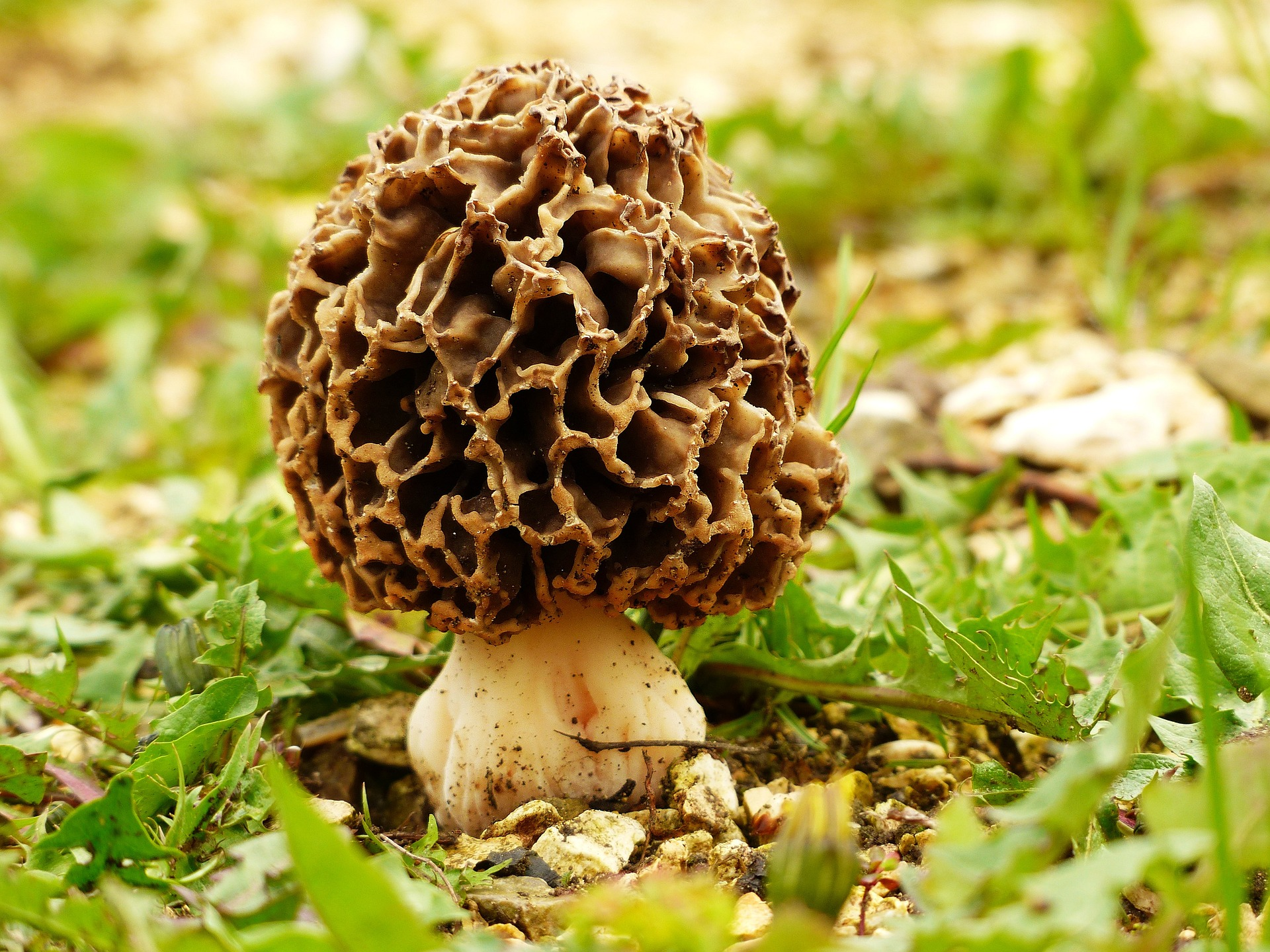
For the local outdoor enthusiast, Great Lakes spring foraging and fishing represent the true start of the year. Spring isn’t just about warmer weather; it’s about the harvest that comes with the great thaw. It’s the smell of pine and rain, the thrill of finding the first morel, and the late-night vigil for the smelt run.
But this isn’t just a random assortment of nature’s offerings. The bounty of the Great Lakes in spring is a perfectly timed dance driven by the physics of the thaw.
When the ice breaks, it doesn’t just open up the water; it triggers a chain reaction that’s felt throughout nature. The rush of snowmelt into the rivers brings warmer water and nutrient-rich runoff, signaling Walleye and Steelhead to make their massive spawning runs upstream. Meanwhile, the bays begin to warm, attracting Coho and Chinook Salmon out of the deep, cold depths to feed aggressively on baitfish like smelt.
On land, the soil temperature dictates when the Morels appear, a brief window defined by the symbiotic relationship between fungi and the trees waking up around them.
In this guide, we are diving deep into the reasons behind the spring ecosystem. We will highlight what to look for, where to go, and the community traditions that make the Fresh Coast so special.
The Highland Harvest: A Guide to Great Lakes Spring Foraging
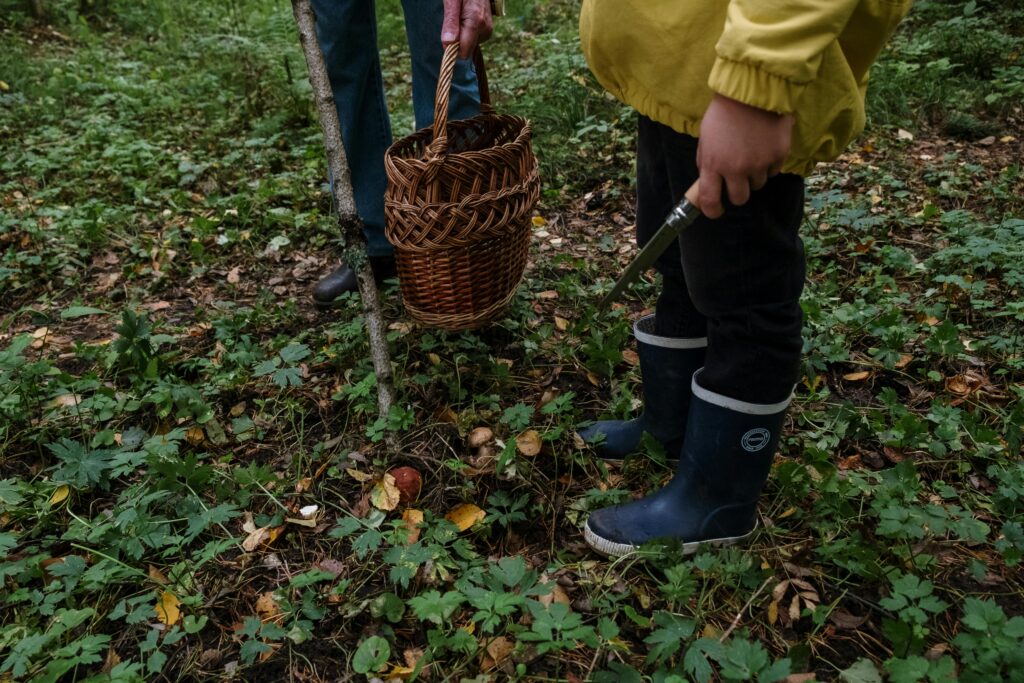
Foraging in the Great Lakes region is a game of patience and temperature. As the sun hits the forest floor before the tree canopy fills in, a specific group of plants and fungi takes advantage of that brief window of light and warmth. This window is where we find our most prized ingredients.
1. Morel Mushrooms (Morchella)
Morels are recognized by their honeycomb-like caps. They range in color from grey to yellow. Unlike many mushrooms, the cap is fused to the stem, and the entire mushroom is hollow inside.
Morels thrive on a specific soil temperature. When the ground hits 50 degrees, the mycelium in the earth begins to fruit. They can be found near the root systems of dying trees. While they love Ash and Elm, they are also famously found in abandoned apple orchards. As an old apple tree begins to fail, the morels appear to claim the remaining nutrients from the root system.
Their flavor is earthy and nutty. They are best when sautéed in high-quality butter with a pinch of sea salt. They pair perfectly with asparagus or atop a grilled steak.
2. Ramps (Wild Leeks)
Ramps look like a cross between a green onion and a lily of the valley. They have broad, smooth green leaves and a maroon-tinted stem. They are famous for a pungent aroma that is similar to garlic or a strong onion.
These are spring ephemerals. They have a very short life cycle that must be completed before the forest canopy closes. They grow in colonies in damp, rich soil found in maple and beech forests.
The leaves are incredible when chopped into a compound butter or blended into a vibrant green pesto. Because they are so potent, a little goes a long way in pastas or scrambled eggs.
3. Fiddlehead Ferns
These are the young, tightly coiled fronds of the Ostrich Fern. They look like the scrolled end of a violin or a fiddle. They have a bright, snappy texture similar to a green bean but with a more floral, grassy taste.
They appear just as the ground thaws completely. The coil is actually the plant’s way of protecting its delicate leaves as it pushes through the heavy, wet spring soil.
Safety is key here. You must boil or steam them for at least ten minutes to neutralize natural toxins. Once cooked, toss them in lemon juice and olive oil for a crisp spring side dish.
4. Stinging Nettle
This is a hardy green plant covered in tiny, hollow hairs that act like needles. When touched, they inject a sting into the skin.
Nettle is one of the first plants to emerge in nitrogen-rich areas like riverbanks. The sting is a defense mechanism to protect the nutrient-dense leaves from hungry animals waking up from hibernation.
Use tongs and gloves to harvest only the top few inches. Once you drop them into boiling water for two minutes, the sting is gone forever. They taste like a more intense version of spinach and can make a world-class soup or tea.
5. Garlic Mustard
This is an invasive herb with heart-shaped leaves and small white flowers. It smells strongly of garlic when the leaves are crushed.
This plant was brought over from Europe and has no natural predators here. It grows so fast that it can choke out native wildflowers. Foraging this is a win for the environment.
Use the young leaves in salads or as a base for a spicy, garlicky chimichurri sauce for grilled fish.
6. Wild Asparagus
Wild asparagus looks identical to the variety found in grocery stores, but often grows taller and thinner in the wild.
Before it sprouts, foragers look for the tall, tan, fern-like skeletons left over from the previous year’s growth. This is a perennial plant that wakes up just as the ground warms and the morel season peaks. It thrives in well-drained soil along fence rows, old railroad tracks, and ditch banks. Because it returns to the same spot every year, a good patch is a closely guarded secret among locals.
The flavor is much more intense and “nutty” than store-bought spears. It is incredible when lightly grilled with olive oil or shaved raw into a spring salad with lemon and shaved parmesan cheese.
7. Dryad’s Saddle (Pheasant Back)
This is a large shelf mushroom that grows on dead or dying hardwood logs. It is identified by the brown, scale-like patterns on its top that resemble the feathers of a pheasant.
This is a decomposer that appears very early in the spring. It is often the first mushroom a forager finds when the morels are still hiding. When it is young and fresh, the mushroom has a very distinct scent that smells exactly like fresh cucumber or watermelon rind. The texture can become tough as it ages, so it is best to harvest them when they are small.
Slice them thinly and sauté them until they are crispy, or use them to add a deep, mushroomy flavor to a homemade vegetable stock.
Respecting the Land
Before you head out with your basket, it is vital to understand where you can legally harvest. Foraging is not a “free-for-all” and requires a deep respect for both nature and ownership.
- Private Property: Never forage on private land without explicit permission from the owner. Not only is this a matter of respect, but it is also a legal requirement.
- State and Federal Lands: Regulations vary wildly. In Michigan, for example, you can generally harvest mushrooms and berries for personal use on State Forest land, but some State Parks or protected “Natural Areas” may have strict prohibitions.
- The DNR: Always check with your local Department of Natural Resources (DNR) or the specific managing agency of the land. They often have updated maps and seasonal rules that protect sensitive ecosystems.
- Take Only What You Need: Leave enough for the local wildlife and for the plant to reproduce. A good rule of thumb is to never harvest more than ten percent of a healthy patch.
A Note of Caution
Foraging is a beautiful way to connect with the Great Lakes landscape, but it requires extreme care. Many edible plants and mushrooms have toxic “lookalikes” that can cause serious harm or even be fatal if consumed.
Never eat anything from the wild unless you are 100 percent certain of its identification.
For your first few outings, we strongly recommend going with a professional guide or a local foraging group. Professional organizations offer workshops that teach you how to identify these items safely in the field. Using a field guide is helpful, but nothing replaces the hands-on expertise of a seasoned forager.
The Harbor Harvest: A Guide to Great Lakes Spring Fishing
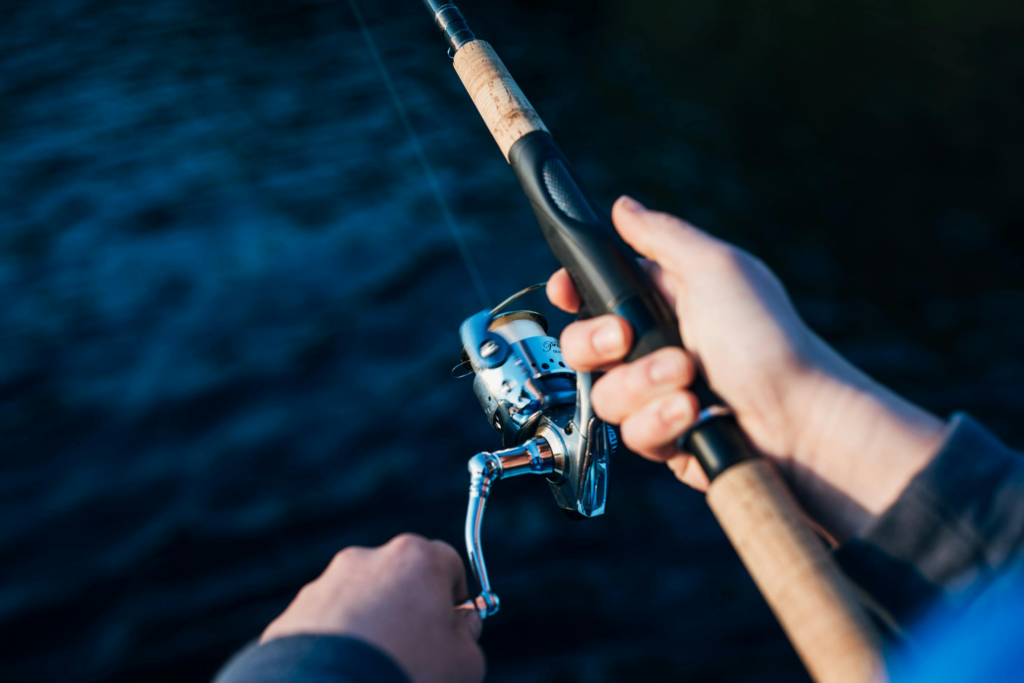
While the forest is waking up, the underwater world of the Great Lakes is undergoing a massive migration. This is the peak season for anglers because the “river melt” acts as a biological starting gun.
1. Walleye (Sander vitreus)
Known for their glassy, light reflecting eyes and delicious white, flaky meat, Walleye are the kings of the spring river run.
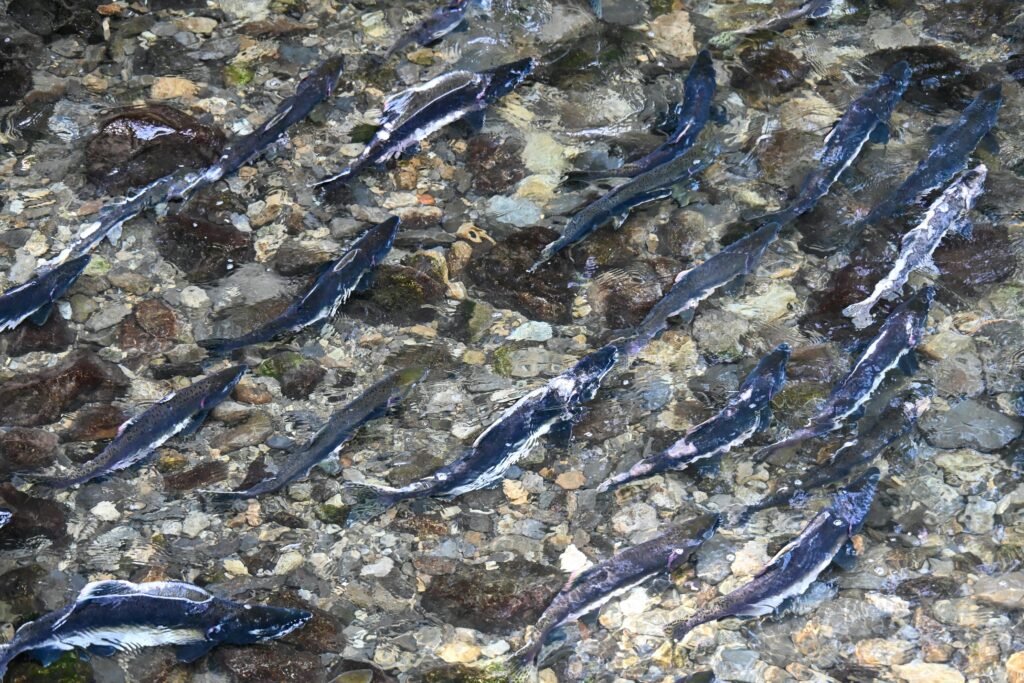
As the ice melts, the rush of cold river water into the lake creates a temperature gradient. Walleye are driven by an ancient instinct to swim upstream into these rocky, moving waters to spawn. This concentrates thousands of fish into narrow river channels.
Vertical jigging with bright colors is the classic spring method used to catch these fish. They are often found in the deep holes of rivers like the Detroit or the Saginaw during April.
2. Steelhead (Oncorhynchus mykiss)
These are migratory Rainbow Trout that live in the big lake but return to the rivers where they were born. They are famous for their silver color and incredible fighting power.
Unlike salmon that die after spawning, Steelhead can spawn multiple times. In the spring, they enter the rivers to lay their eggs. Once they finish, they “drop back” into the lake to feed aggressively and recover their strength.
Floating spawn bags or casting small spinners near river bends is a favorite way to hook into these acrobatic fish.
3. Coho and Chinook Salmon
The heavy hitters of the Great Lakes. Coho are smaller and more active in the spring, while the massive Chinook (Kings) are the ultimate prize.
As the shallow bays warm up faster than the deep lake, baitfish like Smelt and Alewives swarm the shorelines. The salmon follow their food. They move from the dark depths into just a few feet of water, making them accessible to pier anglers and small boats.
Trolling small spoons or body baits in the “mud lines” where river water meets lake water is a highly effective way to catch them in late April and May.
4. Yellow Perch
Yellow Perch are identified by the dark vertical stripes on their golden sides. They are a staple for many Great Lakes families and are known for their sweet, mild flavor and schooling nature.
In the spring, perch move from the deeper lake into shallow, weedy bays to spawn. They are looking for structures like submerged logs or weed beds where they can drape their long ribbons of eggs. This movement brings them within reach of shore anglers on docks and piers across the region.
The “Perch Fry” is a cherished Midwest tradition. The small fillets are usually lightly battered and fried until golden brown, served alongside coleslaw and tartar sauce.
5. The Smelt Run
This is a cherished Midwest tradition involving tiny, silver fish that swarm the mouths of cold water streams at night.
Smelt move into the shallows to spawn under the cover of darkness to avoid predators. The “run” usually lasts only a few days and depends entirely on the water hitting a specific temperature around 42 degrees.
This cherished tradition brings together communities as families head to the shoreline with long-handled dip nets and buckets. Because the fish are so small, they are usually fried whole and eaten like fries.
Rules and Regulations
Every state around the Great Lakes has its own Department of Natural Resources (DNR) that sets specific rules. These laws are designed to protect fish during their most vulnerable moments, like when they are spawning in shallow rivers.
To be a true steward of the Great Lakes, your approach should be “Observation First, Harvest Second.” Every year, the DNR publishes a new “Fishing Digest.” Rules can change based on the previous year’s fish counts, so never assume the rules are the same as last year.
Remember to “Leave No Trace.” Spring is a muddy season. Stick to established trails to avoid eroding the riverbanks. If you see trash on the shoreline, even if it isn’t yours, pick it up. A clean “Harbor” is a healthy one.
Community Resources
Foraging and fishing are skills passed down through generations. If you are just starting out, the best way to learn is by joining those who have spent decades on the land and water. These organizations offer a way to learn safely while respecting the local laws.
Foraging Gatherings and Societies
These are just a few of the groups that focus on large-scale education and building a community of enthusiasts across state lines.
- The Great Lakes Foragers Gathering (Michigan): This is one of the premier events in the Midwest. It features classes on identification, sustainable harvesting, and wild food cooking.
- The Illinois Mycological Association (Illinois): Based in Chicago, this group organizes regular “forays” where experts lead you through the woods to identify mushrooms in real time.
- Midwest Native Plant Society (Ohio): While they focus on all native flora, their events often highlight the importance of edible plants and their role in the ecosystem.
- Indiana Forage Council (Indiana): A community network that connects locals for shared learning and seasonal walks across the state.
- Wisconsin Mycological Society (Wisconsin): They host lectures and field trips specifically for those looking to understand the fungi of the Northwoods.
Workshops and Guided Classes
If you prefer a smaller setting with hands-on instruction, these businesses and educators offer seasonal workshops.
- In Your Element (Michigan): They provide monthly workshops in West Michigan that cover everything from forest bathing to advanced foraging.
- Can I Eat This Foraging Co. (Michigan): Known for their local walks in the Grand Rapids area, they focus on building confidence for beginners.
- Horn Farm Center (Pennsylvania): Their “Forager Training Program” is an intensive way to learn about the edible plants of the Lake Erie basin and beyond.
- Odd Produce (Illinois): They offer classes, campouts, and tours for those who want to dive deep into the science of foraging.
- Will Forage For Food (Regional): This group leads various workshops throughout the Great Lakes states, focusing on the “honorable harvest” method.
Fishing Resources and Conservation Groups
These groups help you navigate the complex world of Great Lakes fishing regulations and techniques.
- Michigan DNR “Hook, Line, and Sinker” (Michigan): A program specifically designed to teach families the basics of fishing and conservation.
- Trout Unlimited (Multi-state Chapters): With active chapters in Pennsylvania, Ohio, and Wisconsin, they are the leaders in protecting the river systems where Steelhead and Salmon spawn.
- Ohio Sea Grant (Ohio): They provide incredible data on Lake Erie Walleye runs and offer educational events on the health of the lake.
- Wisconsin DNR “Angler Education” (Wisconsin): They offer clinics and equipment loaner sites to help beginners get out on the water without a huge investment.
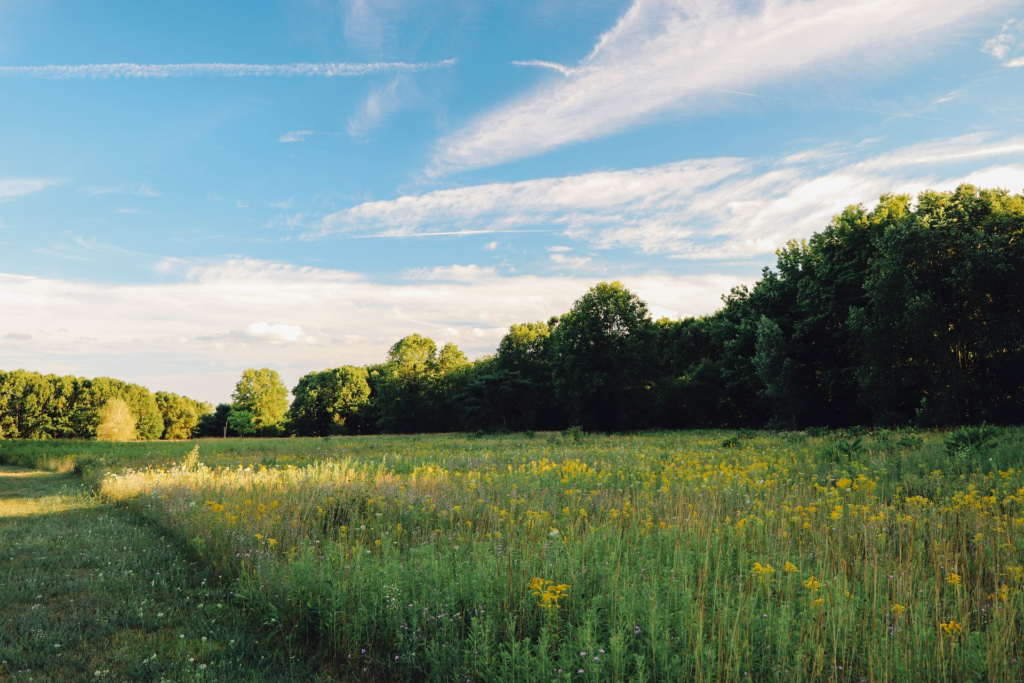
As the sun sets later each evening and the morning air loses its winter bite, the Great Lakes region undergoes a transformation that brings a new season of traditions.
A season of anticipation and sudden, silver flashes in the current. To stand in a cold stream at midnight for the smelt run or to find the first morel hidden beneath the leaf litter is to participate in a story that is much older than any of us. This bounty is a gift, and it is one that requires our protection. By respecting the seasons, following the laws of the land, and taking only what we truly need, we preserve the delicate balance of our fresh coast and northwoods.
When we treat the water and the woods with the reverence they deserve, we ensure that the traditions we love today will remain vibrant for the generations of explorers yet to come.
Want more ideas on how to gather fresh food for your table? Learn more about gardening in our Gardening 101: Growing Zones, Sunlight, and Layout blog here.
Sources
Great Lakes Fishery Commission. (n.d.). The fishery. Retrieved March 3, 2026, from https://www.glfc.org/the-fishery.php
Michigan Department of Natural Resources. (2026). 2026 Michigan fishing regulations. Retrieved March 3, 2026, from https://www.michigan.gov/dnr/-/media/Project/Websites/dnr/Documents/LED/digests/2026-Michigan-Fishing-Regulations_web_accessible.pdf
Midwest American Mycological Information. (n.d.). Morel mushroom identification. Retrieved March 3, 2026, from https://midwestmycology.org/identify/
National Oceanic and Atmospheric Administration. (n.d.). Great Lakes Environmental Research Laboratory (GLERL). Retrieved March 3, 2026, from https://www.glerl.noaa.gov/
Wisconsin Department of Natural Resources. (n.d.). Wild edibles: What can I collect? Retrieved March 3, 2026, from https://dnr.wisconsin.gov/topic/Lands/NaturalAreas/WildEdibles.html

Leave a Reply