
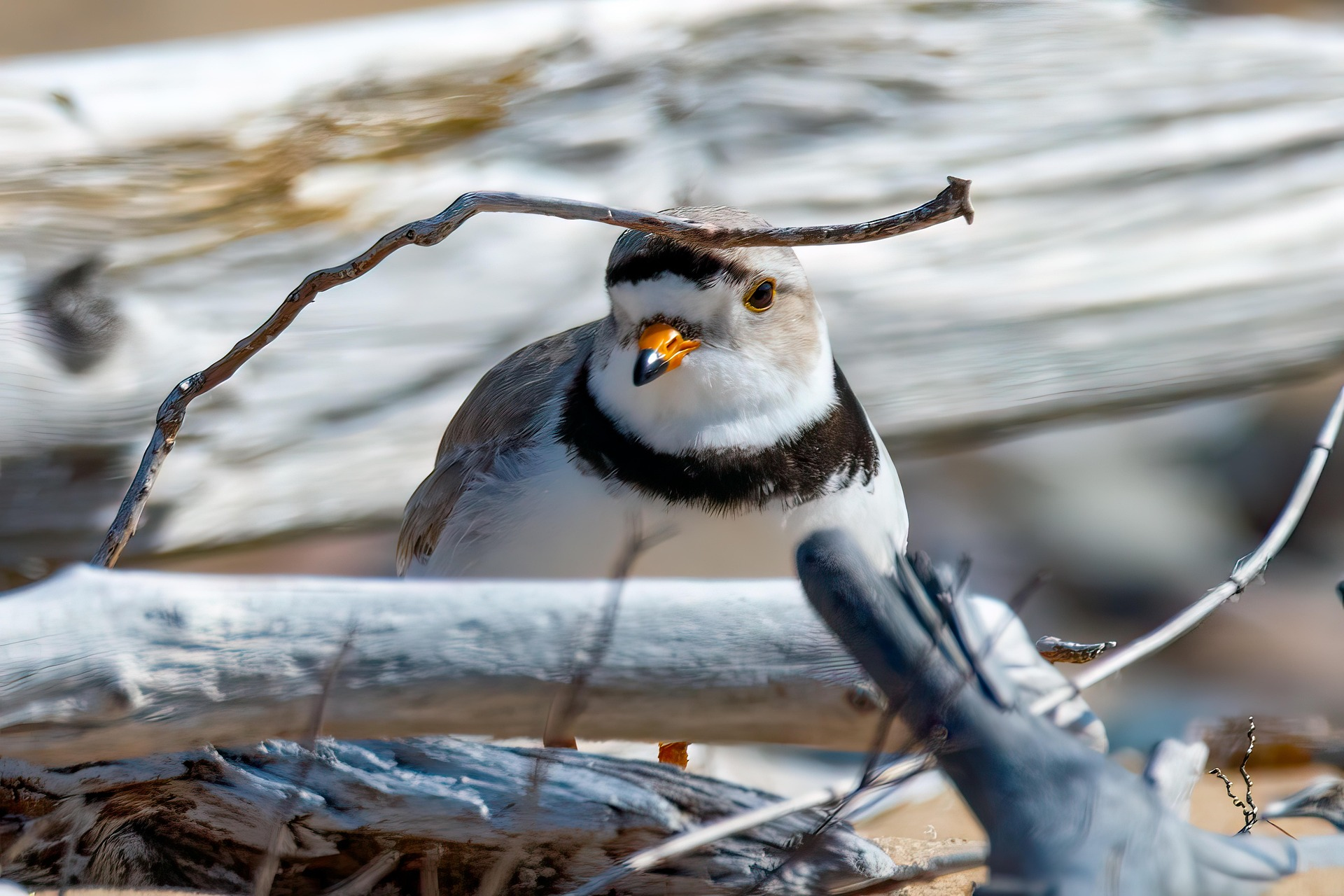
As the largest freshwater system on Earth, and holding 20% of the world’s freshwater, the Great Lakes are a spectacle to behold and a resource to protect for generations to come (Michigan Sea Grant, n.d.). Over the years, there have been several threats to the well-being of our Great Lakes. Recent threats include waves of invasive species, pollution, oil pipelines, and overfishing, among others. As a result, several native Great Lakes-dwelling species are threatened or on the brink of extinction. For example, the Piping Plover (Charadrius melodus), a small shorebird that nests along coastal shorelines, became nearly extinct in the Great Lakes region, with only 17 pairs remaining in 1986 (National Park Service, n.d.). Recovery efforts in the region have increased their population to 75-80 nesting pairs in recent years, but they unfortunately remain on the endangered list. Some species, like the Blue Pike (Sander vitreus glaucus), another native to the Great Lakes region, are unfortunately extinct. This is why it is so important to continue to protect the remaining native wildlife species in the Great Lakes through good stewardship and advocating for change. So, on this Earth Day, we’ve gathered five ways you can volunteer to protect the Great Lakes for generations to come.
The Great Lakes BioBlitz
Great for families, friends, and students alike, the Great Lakes BioBlitz helps conservation efforts, research, and track wildlife populations throughout the Great Lakes region. The Great Lakes Sea Grand Effort and Center for Great Lakes Literacy hosts this event annually, with the event starting on Earth Day (April 22, 2026) and ending on May 24, 2026. Participation is free and easy, with users simply making an account on https://www.inaturalist.org/ or through the mobile app for iNaturalist. Once you have an account, you can search for “2026 Great Lakes BioBlitz” under the projects tab found at the top of the page. Once you click the join button for the event, you can start adding your findings in your chosen area! The event also features fun weekly challenges to participate in throughout the course of the event. A downloadable poster with a shareable QR code for uploading your findings can be found here.
Adopt-a-Beach
One of the first steps we can take in making a difference along our Great Lakes coastlines is through organizing on-site beach cleanups via Adopt-a-Beach to keep our shorelines litter-free, directly impacting Great Lakes wildlife. The information collected during litter cleanups provides crucial data in developing policies to further protect our Great Lakes from pollution in the years to come. Adopt-a-Beach through Alliance for the Great Lakes allows you to organize and lead a beach cleanup event in your area by becoming a team leader. More information on becoming a team leader in your area can be found here, along with dates of team leader training Zoom meetings. Not quite ready to become a team leader? That’s perfectly okay! You can also search for and join local beach clean-ups in your area by visiting their page here.
You can also become a sponsor of the Adopt-a-Beach program to fund the supplies and materials used in cleanup efforts, as well as help expand the program by contacting their Senior Foundation & Corporate Giving Manager here.
Great Lakes AIS (Aquatic Invasive Species) Landing Blitz
As a boat owner, one of the most crucial ways you can be a good steward of our Great Lakes, and all the lakes in our region, is by preventing the transfer of invasive species from one body of water to another. In recent years, there have been several invasive species (the zebra mussel, round goby, and sea lamprey, to name a few) that continue to negatively impact our native aquatic species in the Great Lakes region. The Great Lakes AIS Landing Blitz aims to educate boaters on how to prevent the introduction of aquatic invasive species via boats and other vessels in our Great Lakes region. From June 29 through July 12, 2026, volunteers across the Great Lakes region will partner with local agencies to educate boaters at both private and public boating access sites. They’ll be teaching about the “Clean, Drain, and Dry” method, which includes how to identify common invasive species in our Great Lakes. As a volunteer of this program, you can find a boating access point near you and obtain approval from the site manager to hold an AIS Landing Blitz event on a specific date within the June 29-July 12 timeframe. You can form a volunteer team with 3-5 people and register your event based on your location (this must be done 1 month before the event). You can visit their website here to select your state/province under the “Become a partner/volunteer” heading. A handbook, training courses, and printable outreach materials can all be found on their page here under the “Learn how to prevent AIS” heading.
Great Lakes Great Responsibility Clean Up
By becoming a volunteer and host for Great Lakes Great Responsibility, you can help keep our Great Lakes watershed clean through organizing and leading cleanup events in your community, both inland and along shorelines. Make sure to obtain permission from the landowner or governing body before your cleanup and notify your community at least a few weeks before, so you have help. Their website has a lot of helpful information regarding hosting an event, safety considerations, guidelines, and a link for you to report how much trash was picked up at your event location. You can also view upcoming community events here to participate in a registered event in your area.
Volunteer Stewardship Workdays
Want to help restore native habitats and landscapes, aid in the removal of invasive plants, collect native plant seeds, and help monitor bird populations? Volunteer Stewardship Workdays are a great way to connect with nature in the Great Lakes region while also making a huge impact in our local ecosystems within our state parks. Instruction is provided, and no experience is necessary. Click on your region below to inquire about becoming a volunteer.
- Michigan
- Wisconsin
- Ohio
- Southern Ohio via Arc of Appalacia
- Indiana
- Illinois
- Pennsylvania
- Minnesota
Additional Tips and Opportunities
Look at your local conservancy’s website for volunteer opportunities, as they are often looking for volunteers for land stewardship. Check into volunteer conservation efforts for endangered or at-risk species in your area (i.e., Piping Plover Recovery Program here).
These volunteer opportunities are just some of the many ways that you can make a difference in the Great Lakes region. We are so thankful to have so many organizations in the Great Lakes region that share a united goal of stewardship over the lakes and lands we live on. This Earth Day, take a moment to admire the beauty of our region and reflect on the importance of protecting it for generations to come. Earth Day may just be one day a year, but we can work together to make a difference each and every day through small shared actions.
Interested in learning more about conservation efforts around the Great Lakes? Read our blog on the Boundary Waters Canoe Area Wilderness here.
Sources
- Piping plovers (no date a) National Parks Service. Available at: https://www.nps.gov/slbe/learn/nature/pipingplover.htm (Accessed: 20 April 2026).
- Great Lakes Fast Facts | Michigan Sea Grant. Available at: https://www.michiganseagrant.org/topics/great-lakes-fast-facts/ (Accessed: 20 April 2026).


